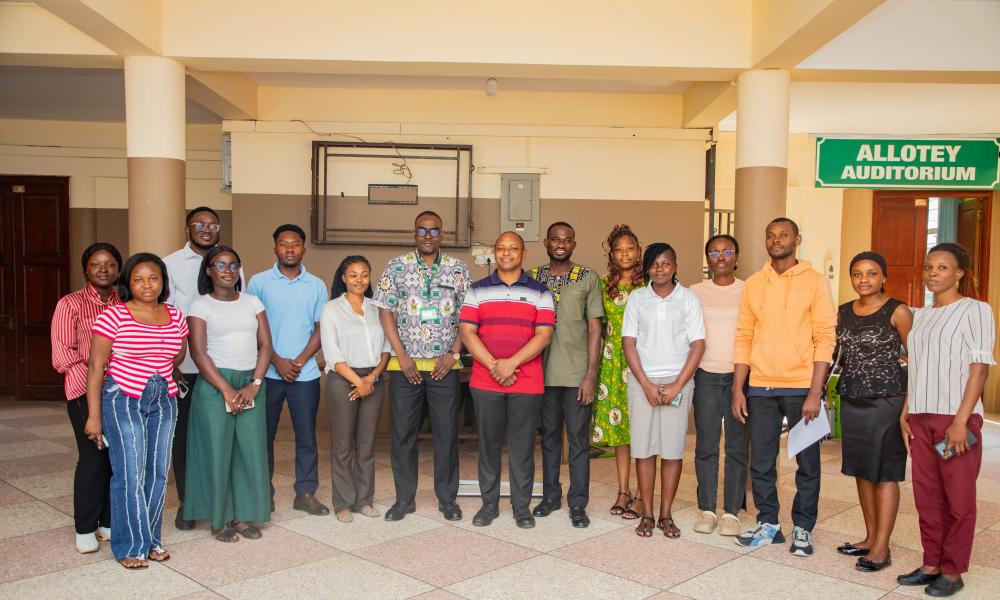
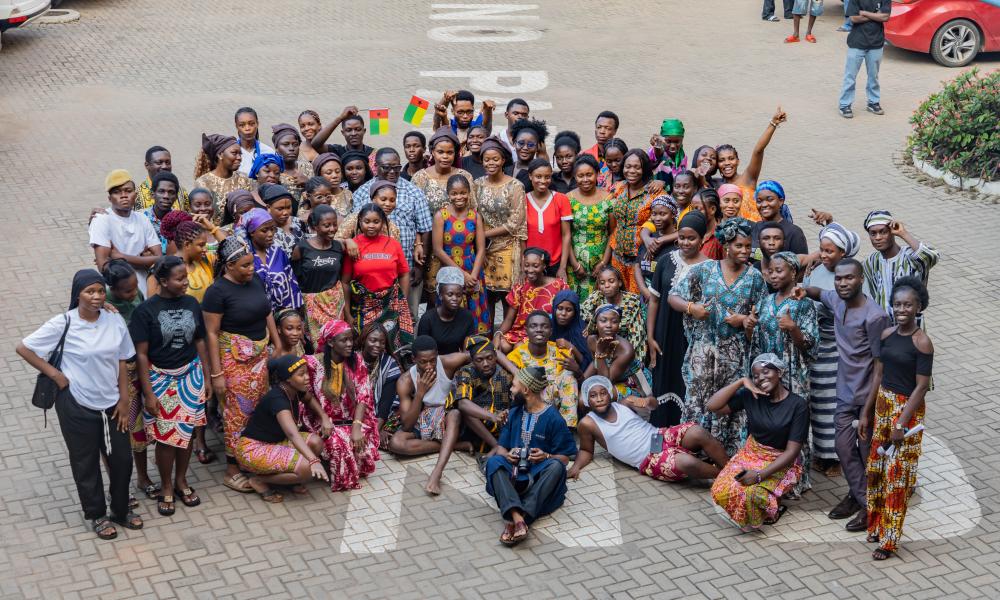
KNUST Hosts Third Cohort of Food Hygiene and Sanitation Training

The Department of Food Science and Technology at Kwame Nkrumah University of Science and Technology (KNUST), in collaboration with the NKABOM Collaborative and with support from the Mastercard Foundation, has successfully completed the third cohort of its Short Course on Food Hygiene and Sanitation. The training program continues to strengthen food safety knowledge, business systems, and entrepreneurial capacity among food industry stakeholders across Ghana and beyond.
Held at the RosaPearl Hotel in Kumasi from May 11 to 15, 2026, the one-week intensive training attracted participants from across Ghana as well as other African countries including Zimbabwe and Tanzania. Participants included food vendors, caterers, hospitality and food service personnel, operators within school feeding programs, food processors, and aspiring food entrepreneurs, all committed to improving food hygiene and sanitation practices within their businesses and communities.

The short course officially commenced with opening remarks from Rev. Professor William Otoo Ellis, Principal Investigator of the NKABOM Collaborative, and Professor Ibok Nsa Oduro and Dr. Abena Boakye, Education Leads. Dr. Charlotte Adjanor-Doku, Program Director, welcomed participants and introduced them to the program. Facilitators for the training included Dr. Nana Baah Pepra-Ameyaw of the Department of Food Science and Technology, Dr. Josephine Akuba Timtey, Founder and CEO of Timtey’s and Founn, Tarkwa, and Mr. Maurice Nabon-Yibe Avicor, lecturer at Accra Technical University.
The training combined lectures, practical demonstrations, group activities, and business innovation exercises designed to provide participants with both technical competence and entrepreneurial insight. Sessions covered food microbiology, food hazards, sanitation procedures, Hazard Analysis and Critical Control Points (HACCP), Standard Operating Procedures (SOPs), documentation practices, and food business development using the Business Model Canvas. Participants worked in groups to develop innovative food business concepts and present business models addressing societal and food system challenges.
A major highlight of the program was an engagement session with the Food and Drugs Authority (FDA), led by Mrs. Zeinab Serwaah Acheampong, who provided practical guidance on food product registration, facility licensing, and regulatory compliance. Participants also took part in hands-on sanitation exercises, including the preparation of cleaning and sanitizing solutions using standard food-grade chemical formulations.
At the end of the training, participants shared reflections on how the course had transformed their understanding of food safety and business management. One participant described food hygiene and sanitation as “an insurance policy for my business,” while another emphasized that “HACCP is very critical in my operations.” Others highlighted the importance of preventing cross-contamination, implementing SOPs, and understanding the role of food safety systems in protecting consumers and businesses alike.
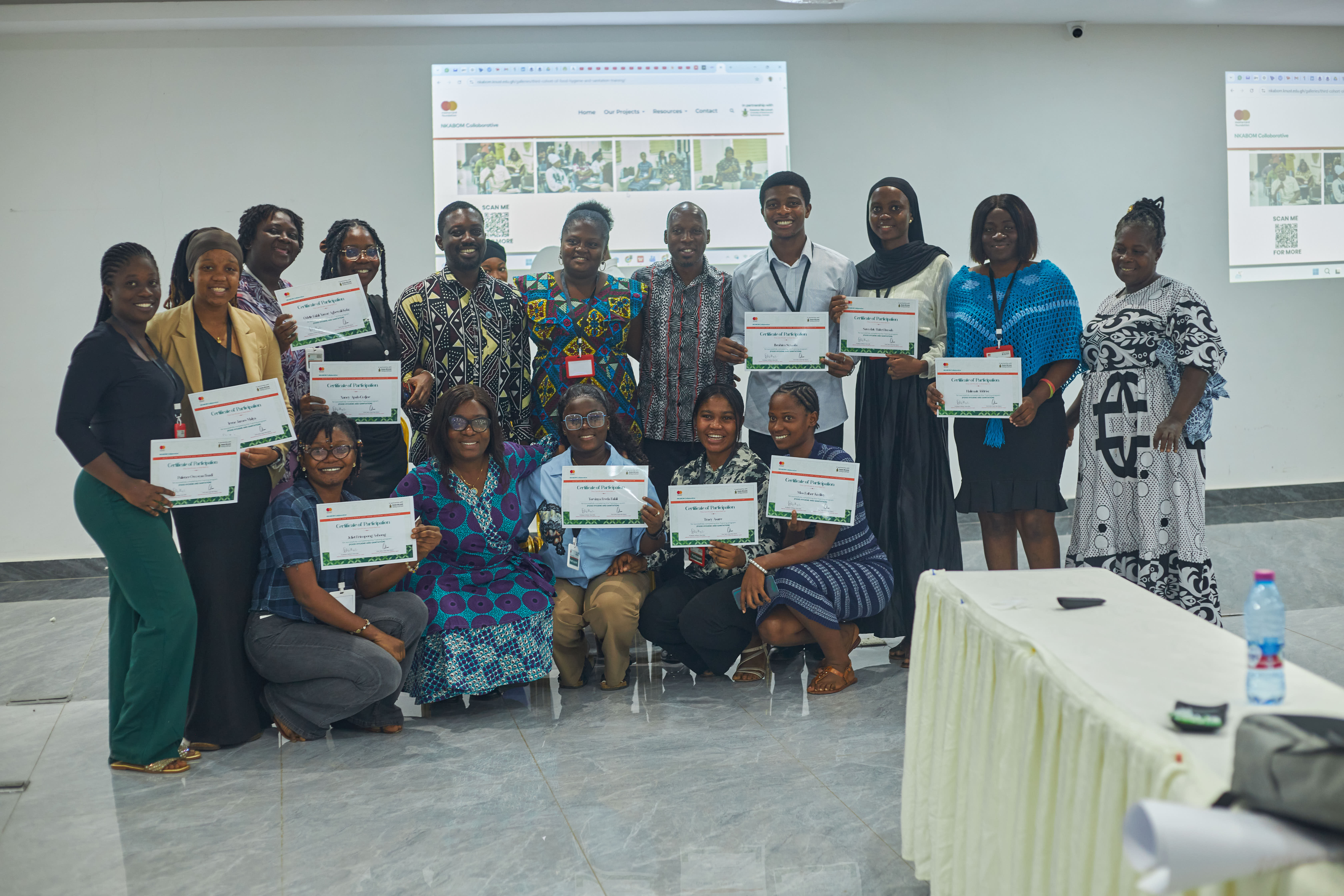
Several participants also reflected on the entrepreneurial and leadership lessons from the course. One participant noted that the Business Model Canvas had become “the DNA of a business,” while another explained that the training had helped them understand how to put systems and SOPs in place within their bakery business. Themes of stewardship, authenticity, innovation, and personal responsibility emerged strongly throughout the participants’ feedback.
Many participants further appreciated the practical nature of the training, particularly sessions on FDA registration, facility requirements, sanitation management, and the Four C’s of food safety, cross-contamination, cooking, cleaning, and chilling. Participants described the course as highly interactive and directly relevant to the realities of running food businesses in Ghana and across Africa.
The current training marks the third cohort of the Food Hygiene and Sanitation Short Course. The first and second cohorts were successfully organized in 2025, reflecting the growing demand for practical food safety training and capacity building within Ghana’s food industry and across the region.
The Department of Food Science and Technology, the NKABOM Collaborative, and the Mastercard Foundation are expected to organize a fourth cohort later in 2026. Applications and further details for the upcoming training will be announced in due course.