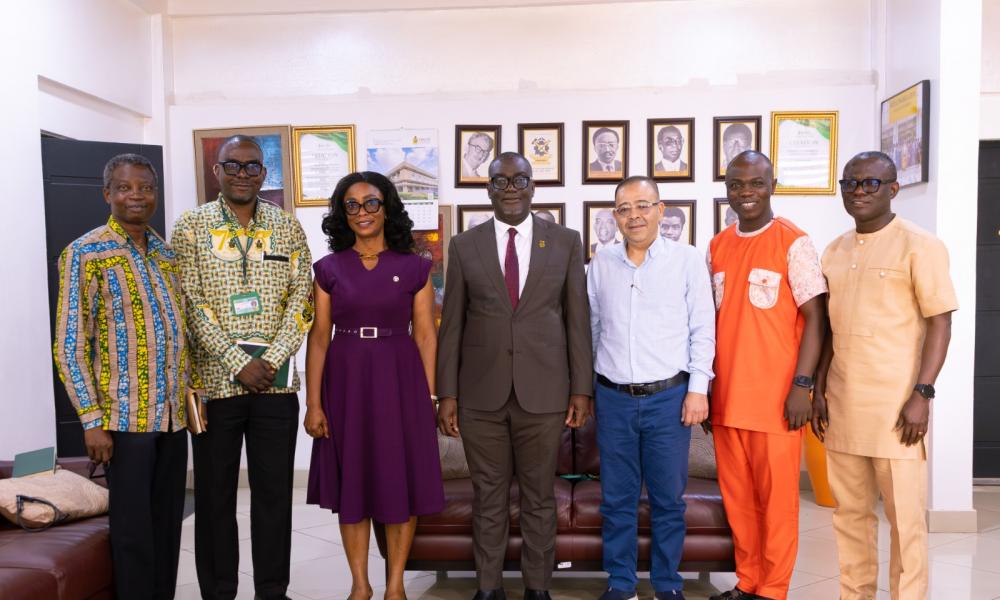
McGill University Researchers Visit KNUST to Strengthen Collaboration in Agri-Food Research
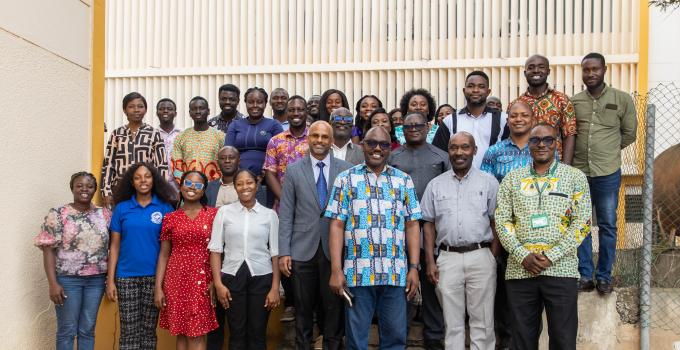
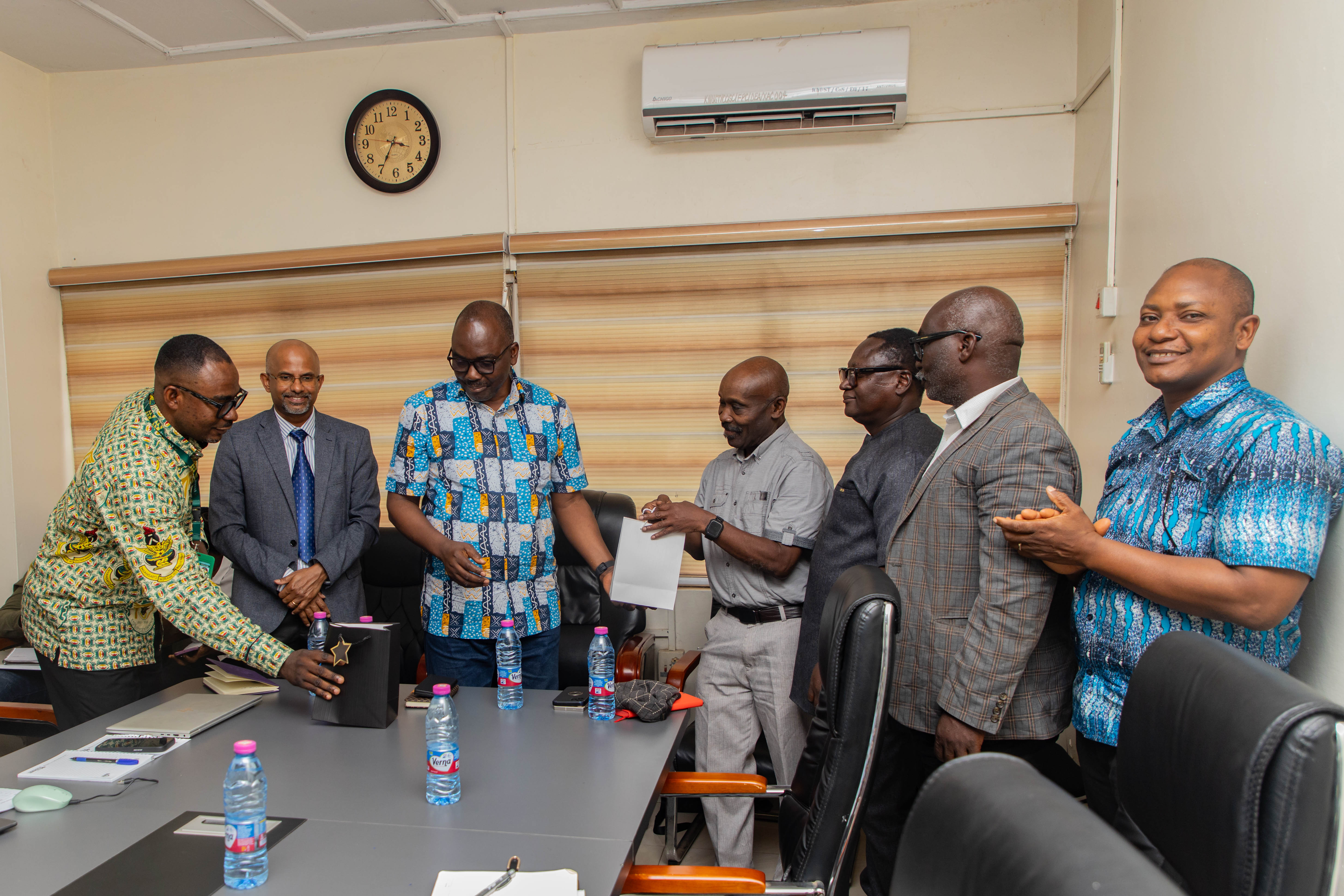
The Department of Food Science and Technology at the Kwame Nkrumah University of Science and Technology hosted Professor Saji George and Professor Benjamin Kofi Simpson from McGill University, Canada, as part of efforts to strengthen international collaboration and research capacity within the agri-food sector.
The visit was facilitated through the NKABOM Collaborative, with support from the Mastercard Foundation. The researchers were in Ghana to support knowledge exchange, capacity building and the development of research partnerships aimed at addressing challenges within food and agricultural systems.
The visitors were welcomed by the Head of the Department of Food Science and Technology, Professor Jacob Agbenorhevi. In his opening presentation, Professor Agbenorhevi provided an overview of the Department, highlighting its academic staff, undergraduate and postgraduate programmes, research activities, laboratory facilities and contributions to food science education, industry and national development.
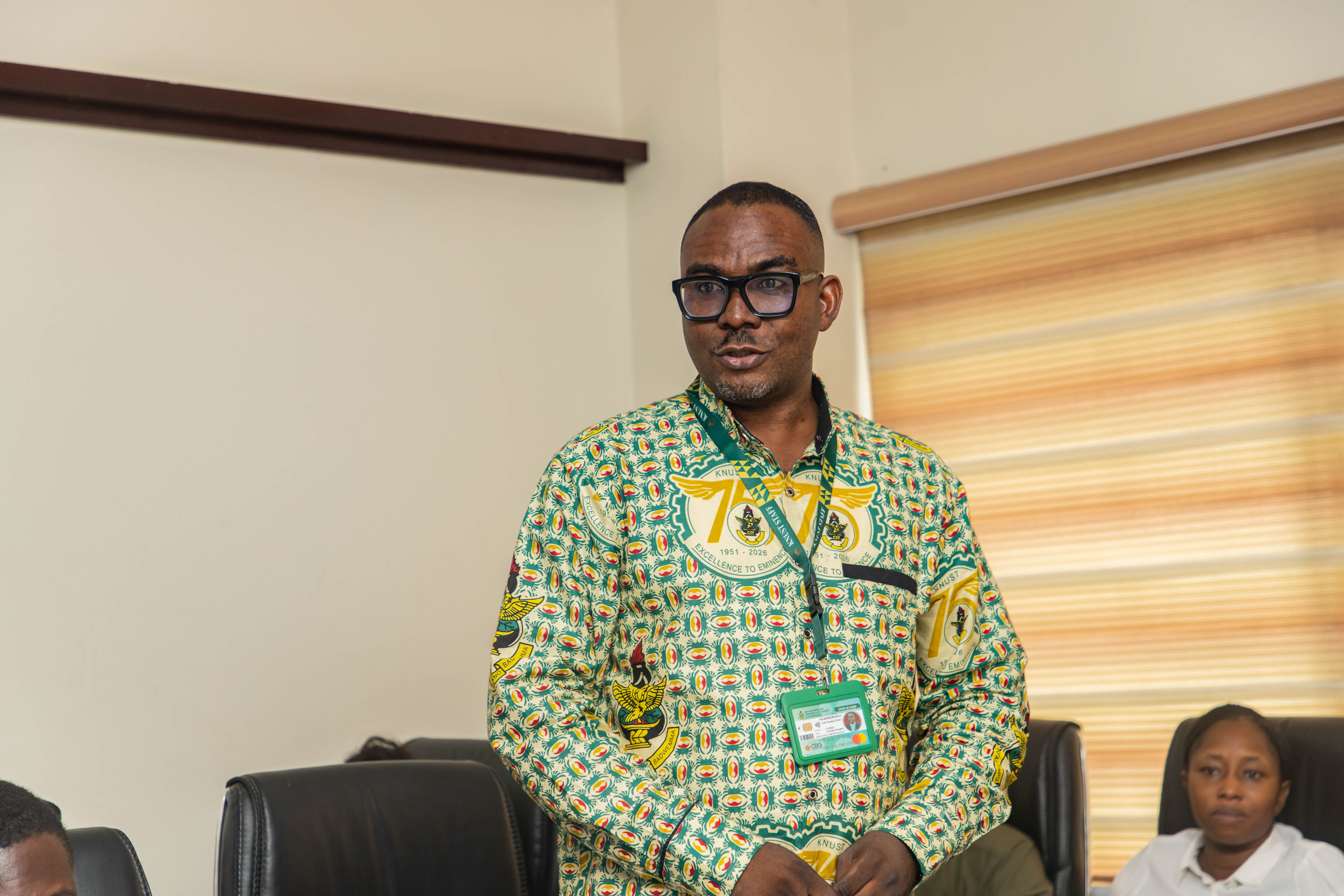
The presentation enabled the visitors to gain a better understanding of the Department’s expertise, research priorities and academic programmes, while also providing a basis for identifying areas of mutual interest and potential collaboration.
Prof George subsequently introduced participants to the food science and nutrition programmes at McGill University. He outlined the institution’s teaching and research activities and highlighted its multidisciplinary approach to food, nutrition and agri-food research. The institutional presentations provided both departments with an opportunity to appreciate their respective strengths and explore possibilities for future academic and research partnerships.
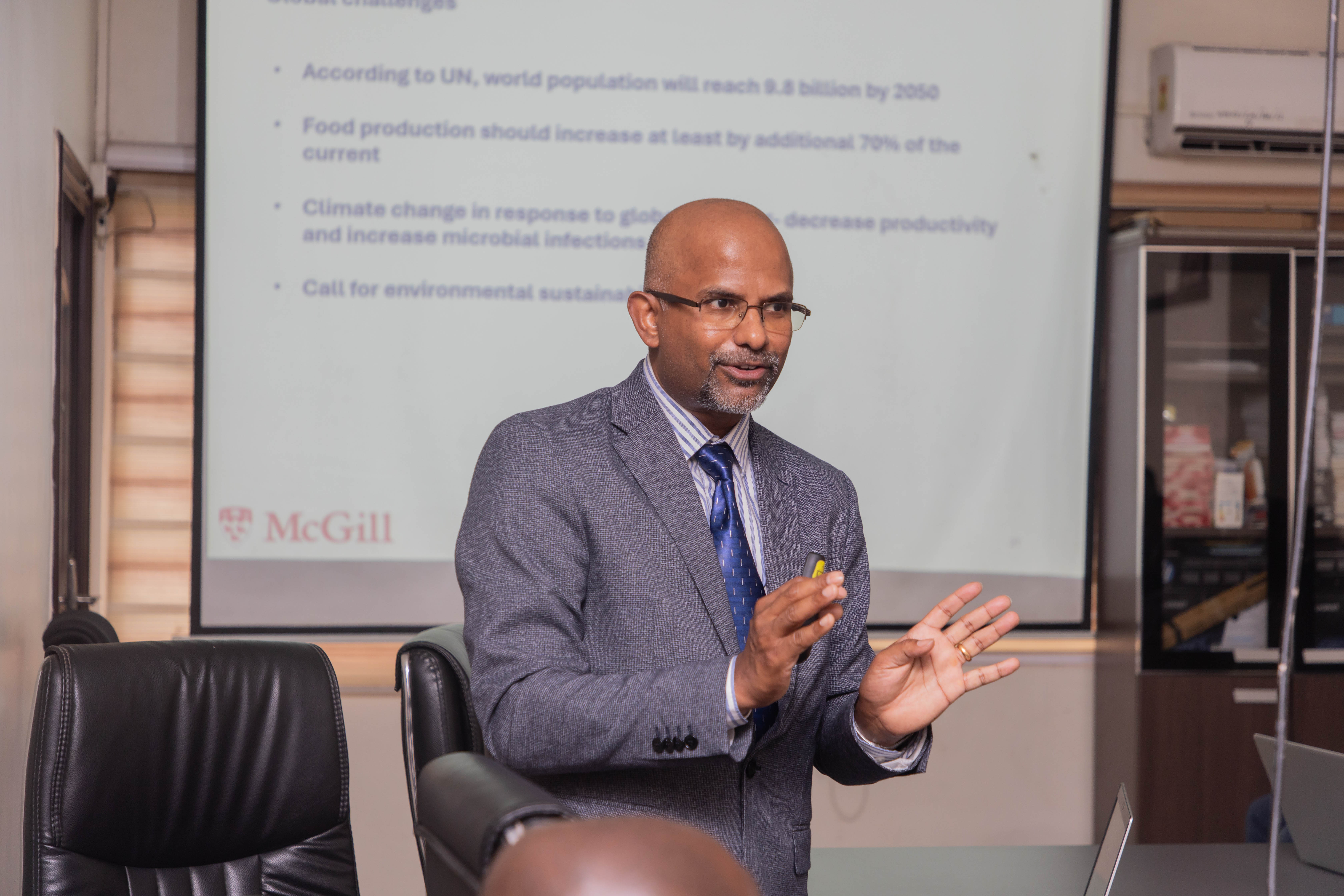
Following the presentations, Prof George delivered a seminar on his research in nanotechnology and its potential applications in agriculture and food systems. He introduced participants to nanomaterials and explained how materials engineered at the nanoscale may possess physical, chemical and functional properties that differ considerably from those of their conventional forms.
His presentation covered several categories of nanomaterials, including carbon-based materials such as fullerenes and single- and multi-walled carbon nanotubes. He discussed their unique properties, including high strength, increased surface area and the potential for modification for specific applications.
Particular attention was given to the application of nanotechnology in precision agriculture. Prof George explained that nanomaterials could support the targeted and controlled delivery of fertilizers and agrochemicals, improve nutrient absorption by crops, enhance agricultural productivity and promote more efficient pest and weed management. These applications could reduce input losses and minimize the environmental effects associated with the excessive or indiscriminate use of agricultural chemicals.
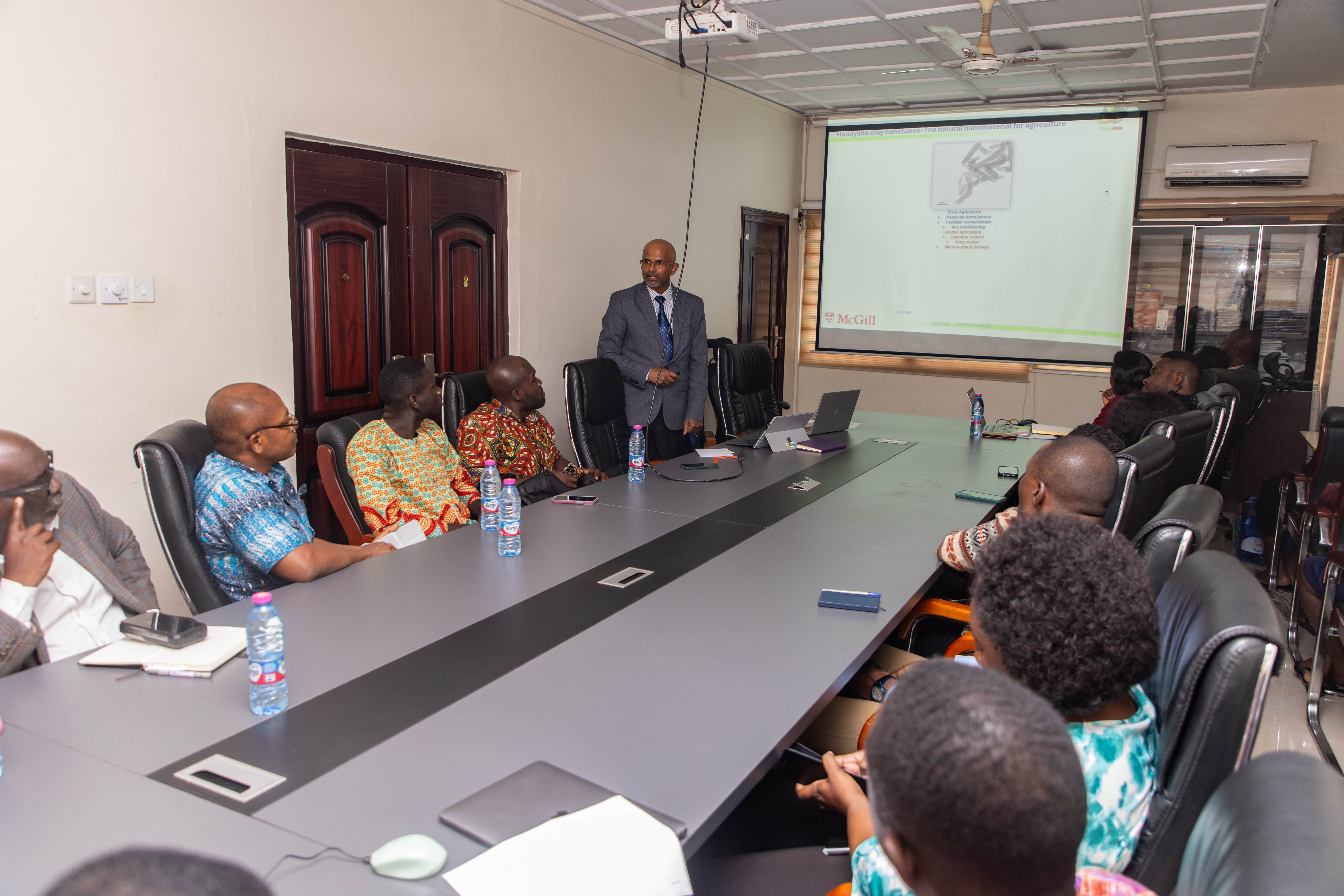
The seminar also explored the potential use of naturally occurring materials, such as halloysite clay nanotubes, as delivery systems in agricultural applications. Such materials may support the controlled release of active compounds and contribute to the development of more efficient and sustainable agricultural technologies.
While highlighting the potential benefits of nanotechnology, Prof George emphasized the need to evaluate the environmental and health implications of nanomaterials. He noted that some engineered nanomaterials may not biodegrade easily and could persist in the environment. He therefore stressed the importance of assessing their safety, environmental behaviour and possible modification before their wider application.
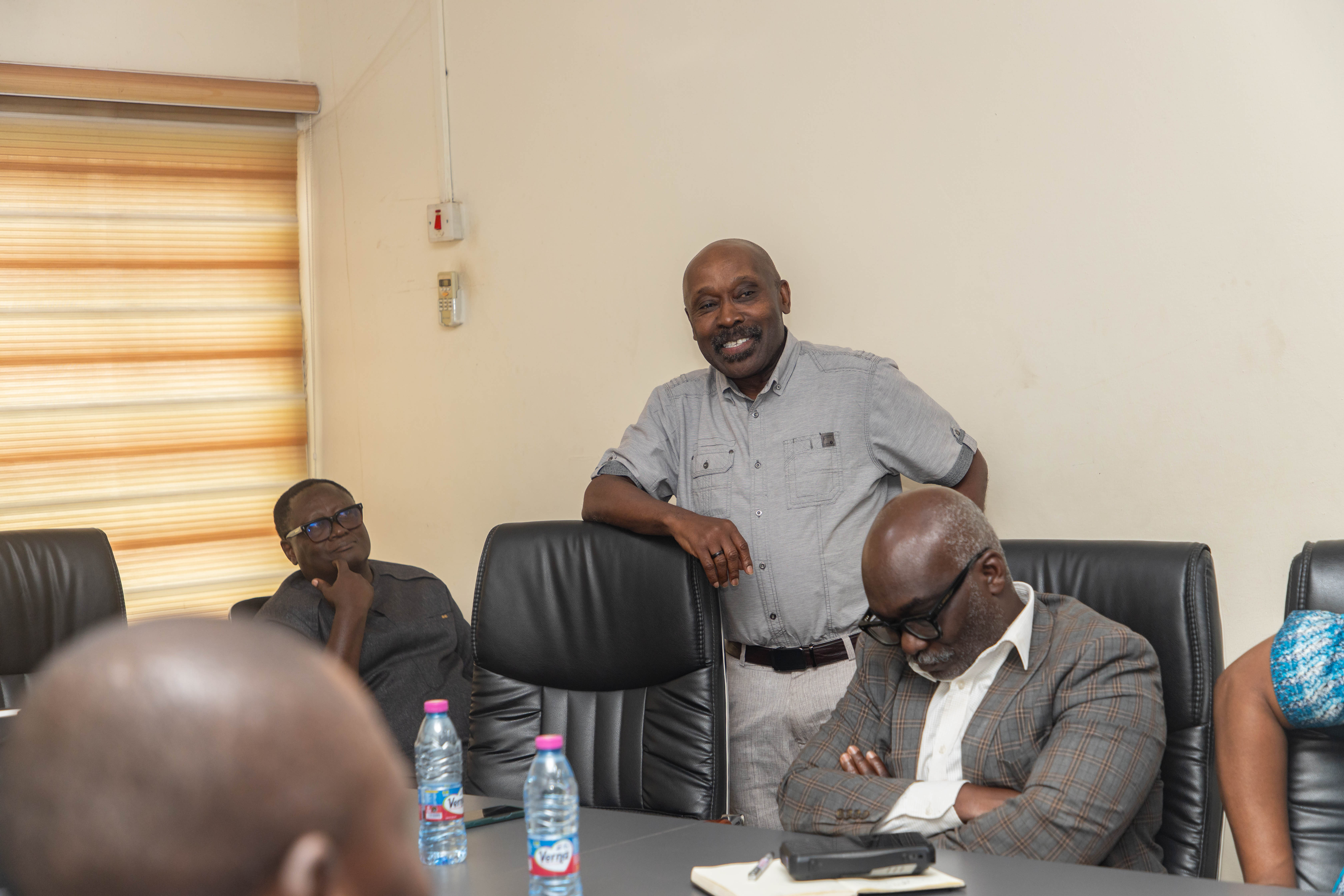
In his closing remarks, Prof Benjamin Kofi Simpson shared insights into his research on the valorization of fish-processing waste and the development of alternative plant proteins. He highlighted the potential of transforming fish waste into useful products and ingredients, thereby reducing environmental pollution while creating additional value within the seafood-processing chain. He also discussed the importance of alternative plant proteins in supporting sustainable food production, improving nutrition and responding to the growing demand for diverse protein sources.
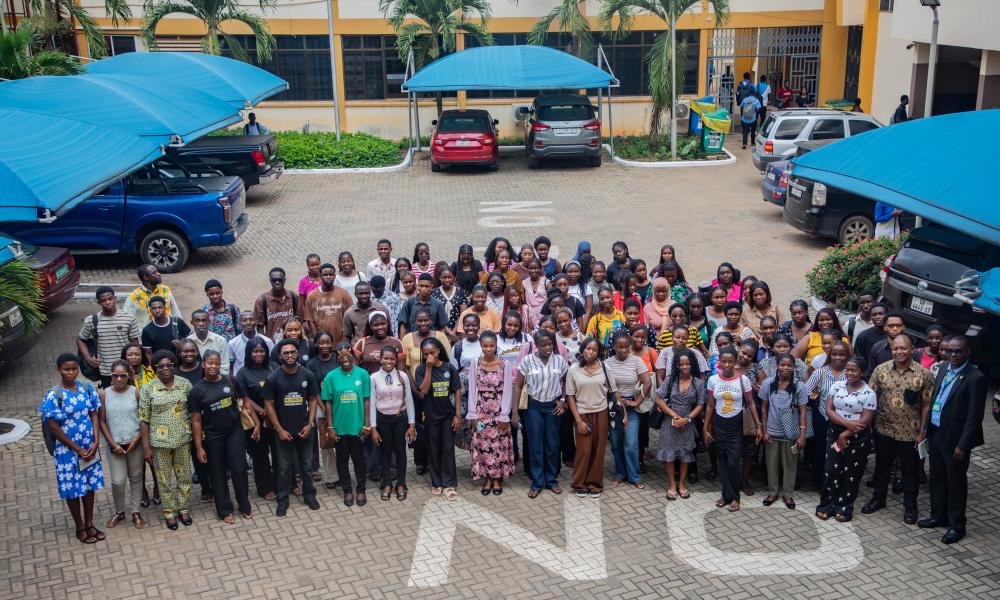
The visiting researchers interacted with both faculty members and students, providing opportunities for discussion on research, graduate education, emerging technologies and potential areas of collaboration. The engagement allowed students to learn directly from the researchers’ experiences and encouraged faculty members to identify shared interests that could form the basis of future joint initiatives.
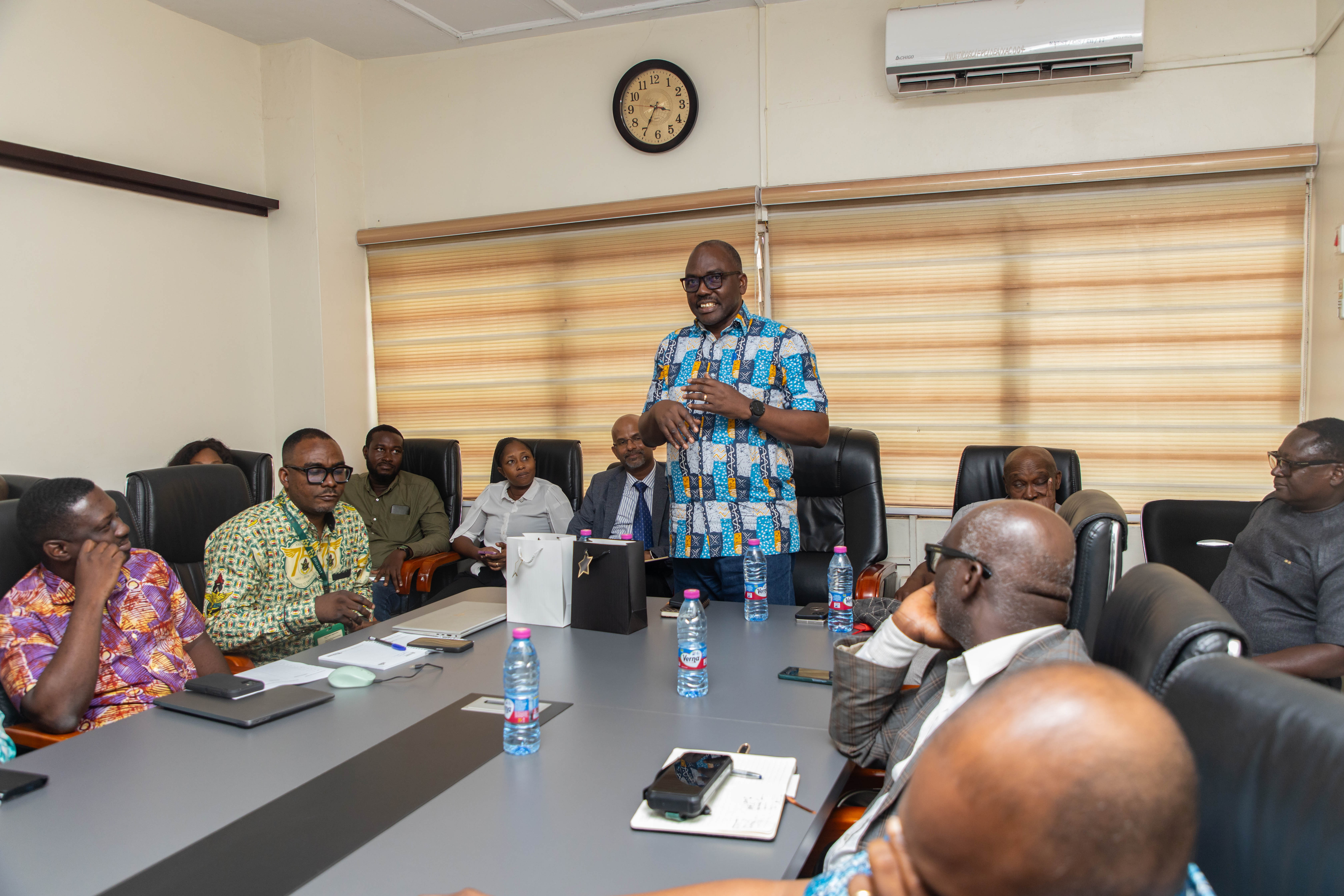
The visitors were accompanied by Prof William Otoo Ellis, a faculty member of the Department of Food Science and Technology and Co-Principal Investigator of the NKABOM Collaborative. Professor Ellis highlighted the importance of building sustained collaboration between KNUST and McGill University, particularly in areas of shared expertise that could lead to joint research, training, student mentorship and the development of innovative solutions for the agri-food sector.
The visit strengthened the relationship between the two institutions and created a platform for further dialogue on collaborative research, faculty and student exchanges, mentorship and capacity development. Through initiatives such as the NKABOM Collaborative, the Department continues to expand opportunities for internationally connected and locally relevant research aimed at improving food security, nutrition and the sustainability of food and agricultural systems.