From Okra to Chocolate: A Local Solution to a Global Ingredient Challenge
What if one of the most critical ingredients in chocolate could be replaced not with something more complex or imported, but with something grown locally?
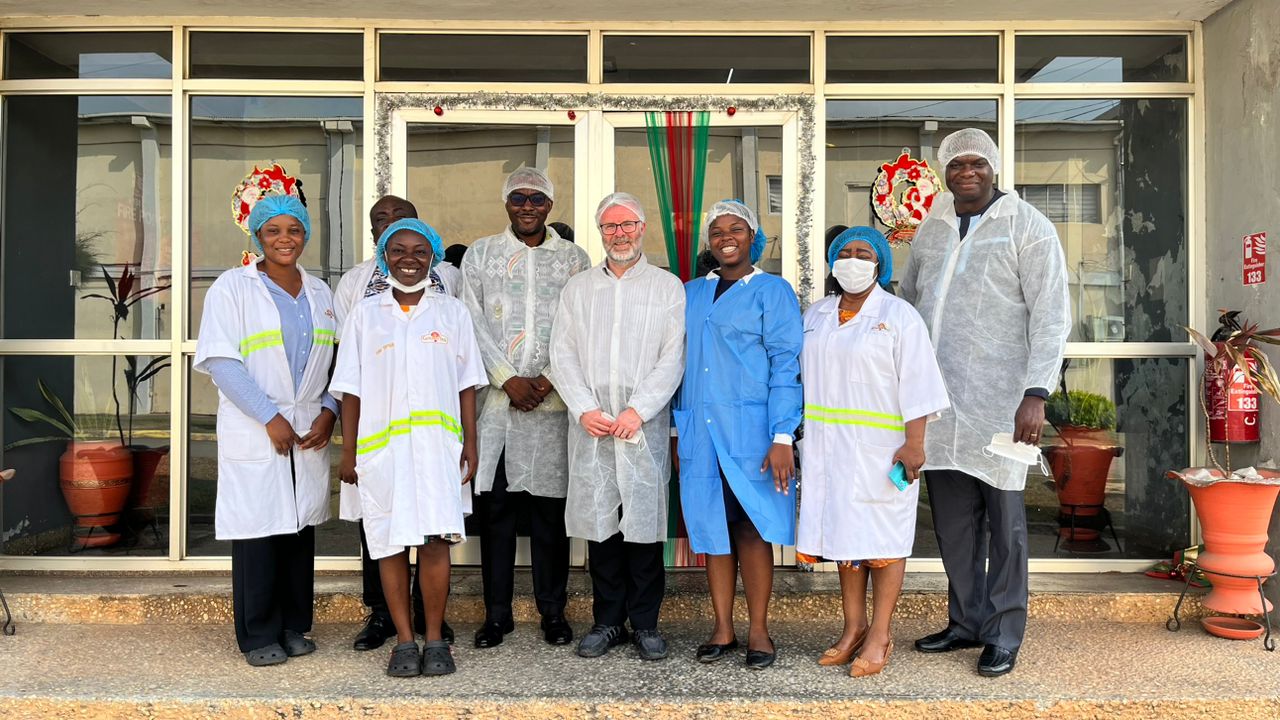
This question lies at the heart of an ongoing research collaboration under the AAKTP 13910 project, which is exploring the use of okra-derived pectin as a natural alternative to conventional emulsifiers in chocolate. The project brings together researchers and industry partners from the University of Huddersfield, Kwame Nkrumah University of Science and Technology, University of Health and Allied Sciences, and Cocoa Processing Company Limited. The team includes Professors Gordon Morris, Alan Smith, Jacob K. Agbenorhevi, and Fidelis Kpodo, alongside Research Associate Belinda B. Ntow, combining expertise in food chemistry, product development, and industrial processing.
Chocolate, though widely appreciated for its smooth texture and rich mouthfeel, depends on carefully selected ingredients to achieve its characteristic quality. Among these, emulsifiers play a crucial role by reducing viscosity, improving flow during processing, and ensuring uniform distribution of fat and solid particles. In Ghana, as in many parts of the world, soy lecithin is commonly used for this purpose. However, its use raises important concerns. Soy is a known allergen, and its supply is largely dependent on imports, which introduces cost and supply chain vulnerabilities. At the same time, there is a growing demand for clean-label products and for ingredient systems that are more closely aligned with local production systems.
The research team is addressing this challenge by turning to okra, a crop that is widely cultivated and readily available in Ghana. Okra is rich in pectin, a natural polysaccharide traditionally used as a gelling agent in foods such as jams and sauces. What makes this research particularly innovative is the exploration of pectin beyond its conventional role, investigating its functionality as an emulsifier within the complex, fat-rich matrix of chocolate. This represents a shift in how familiar ingredients are understood and applied in food systems.
Through a series of controlled laboratory studies, the team has extracted pectin from okra and incorporated it into chocolate formulations as a replacement for soy lecithin. These formulations have been evaluated for key quality attributes, including taste, texture, and overall stability. The findings to date are promising. Chocolate produced with okra-based pectin has demonstrated performance comparable to that of conventionally formulated chocolate, maintaining desirable sensory qualities while meeting technical requirements for structure and consistency.
While these results mark an important step forward, the work is now progressing toward a critical next phase: scaling up production. Translating laboratory success into industrial application requires ensuring that okra-derived pectin can be produced consistently, integrated into existing manufacturing processes, and adopted by industry without compromising efficiency or product quality. This transition from research to application is central to the project’s long-term impact.
Beyond its technical contributions, this research reflects a broader vision for food innovation in Ghana. It demonstrates how locally available crops can be repositioned as functional ingredients within high-value products, creating new opportunities for agriculture, industry, and research. For the cocoa sector in particular, the work highlights the potential to move beyond raw material production toward greater participation in product and ingredient innovation.
The project is also contributing to the training of postgraduate students and early-career researchers, who are actively involved in the experimental and analytical processes. Through this work, they are gaining practical experience in formulation science, ingredient functionality, and the translation of research into real-world applications. These experiences are essential for building the capacity needed to sustain innovation within the food sector.
Research Articles
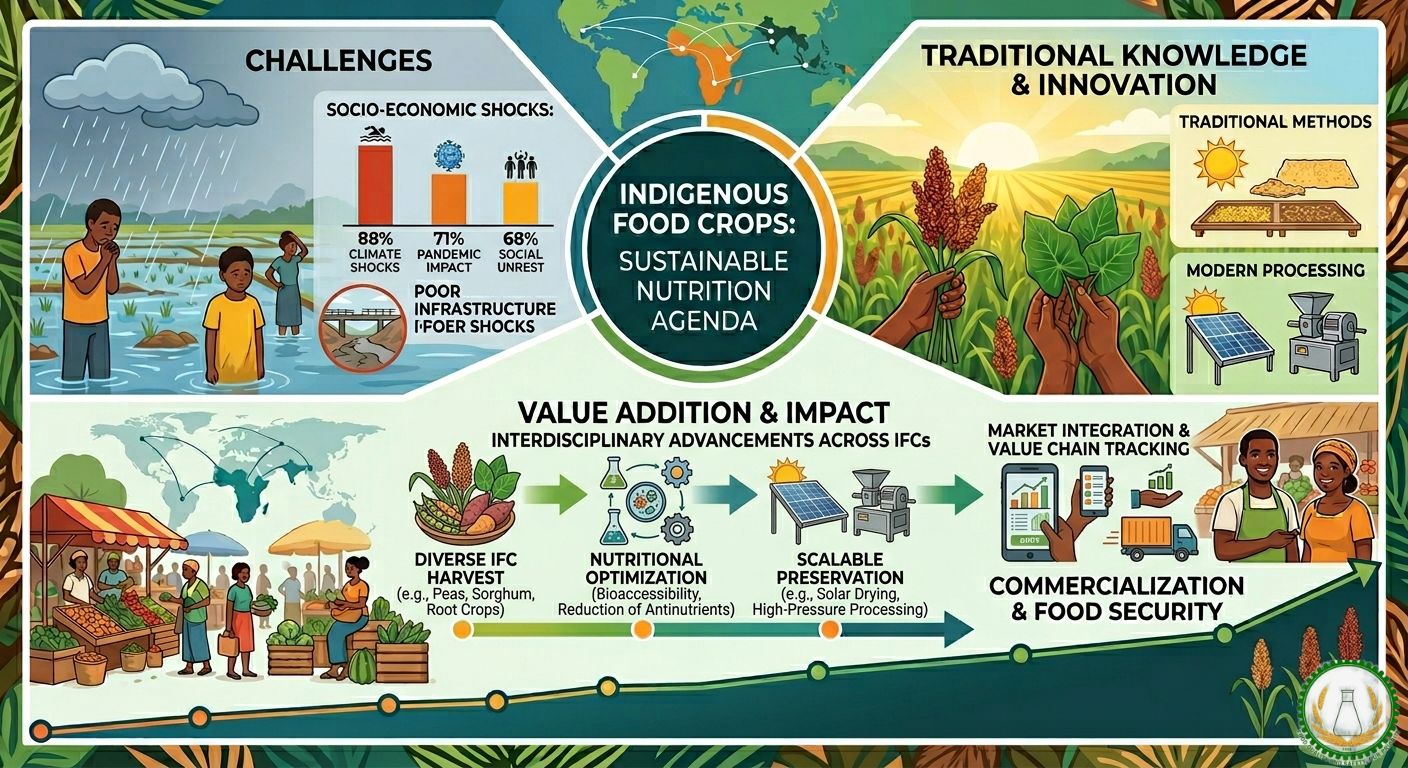
We are proud to highlight a significant new editorial published in Frontiers in Sustainable Food
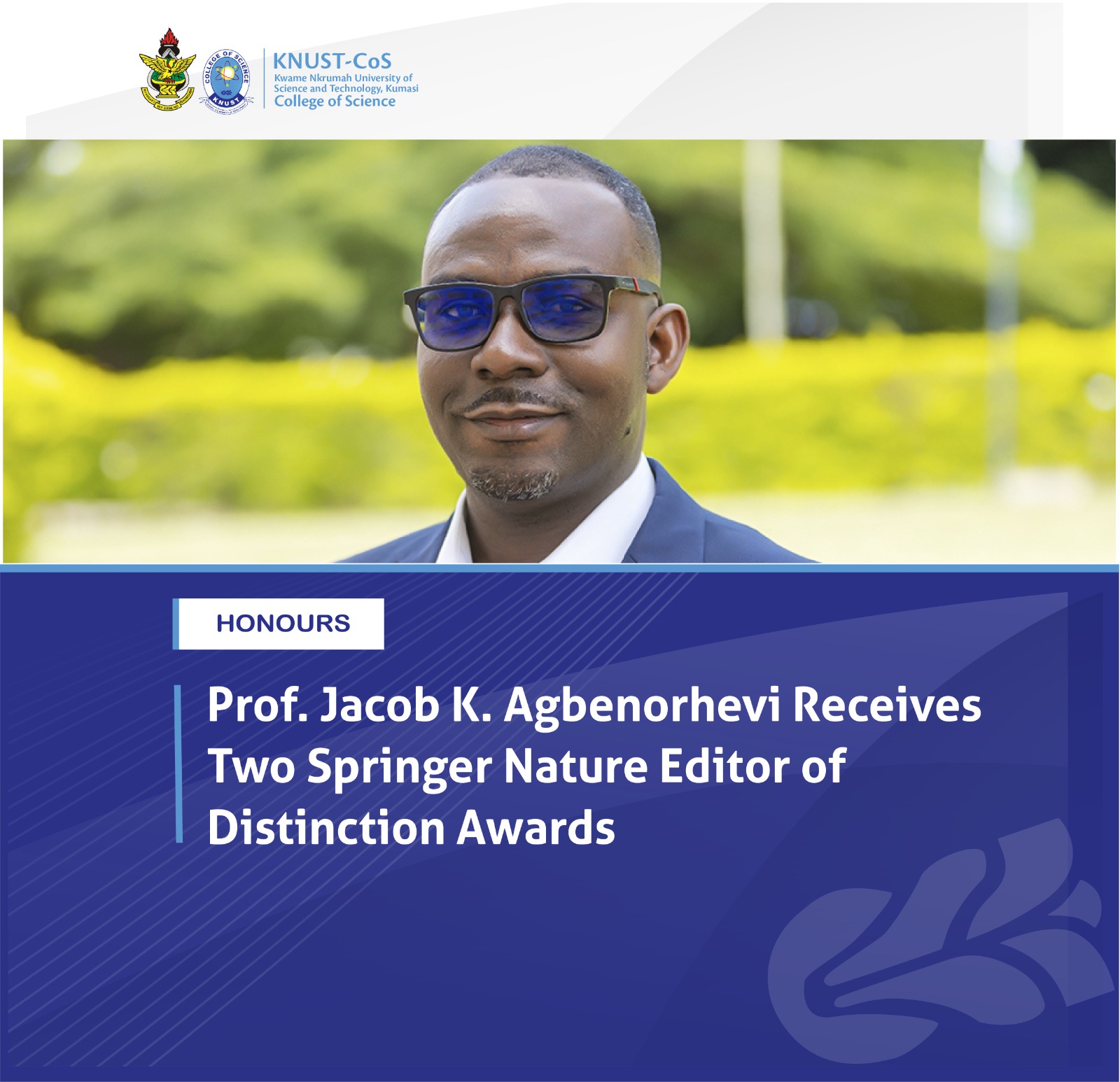
The Department of Food Science and Technology is proud to highlight the international recognition received by its Head of Department, Prof.
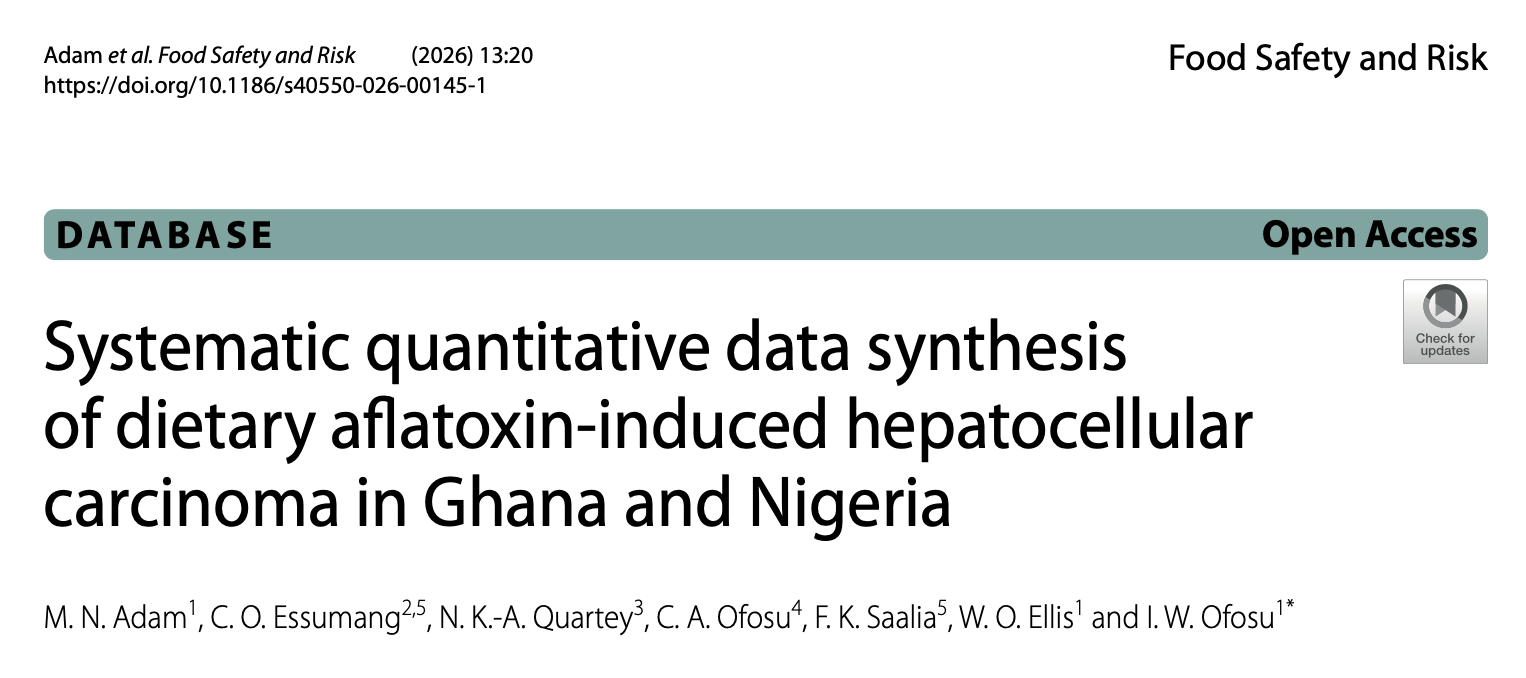
A new study led by Prof.
What if one of the most critical ingredients in chocolate could be replaced not with something more complex or imported, but with something grown locally?