Quantifying the Hidden Cancer Burden of Aflatoxins in West Africa
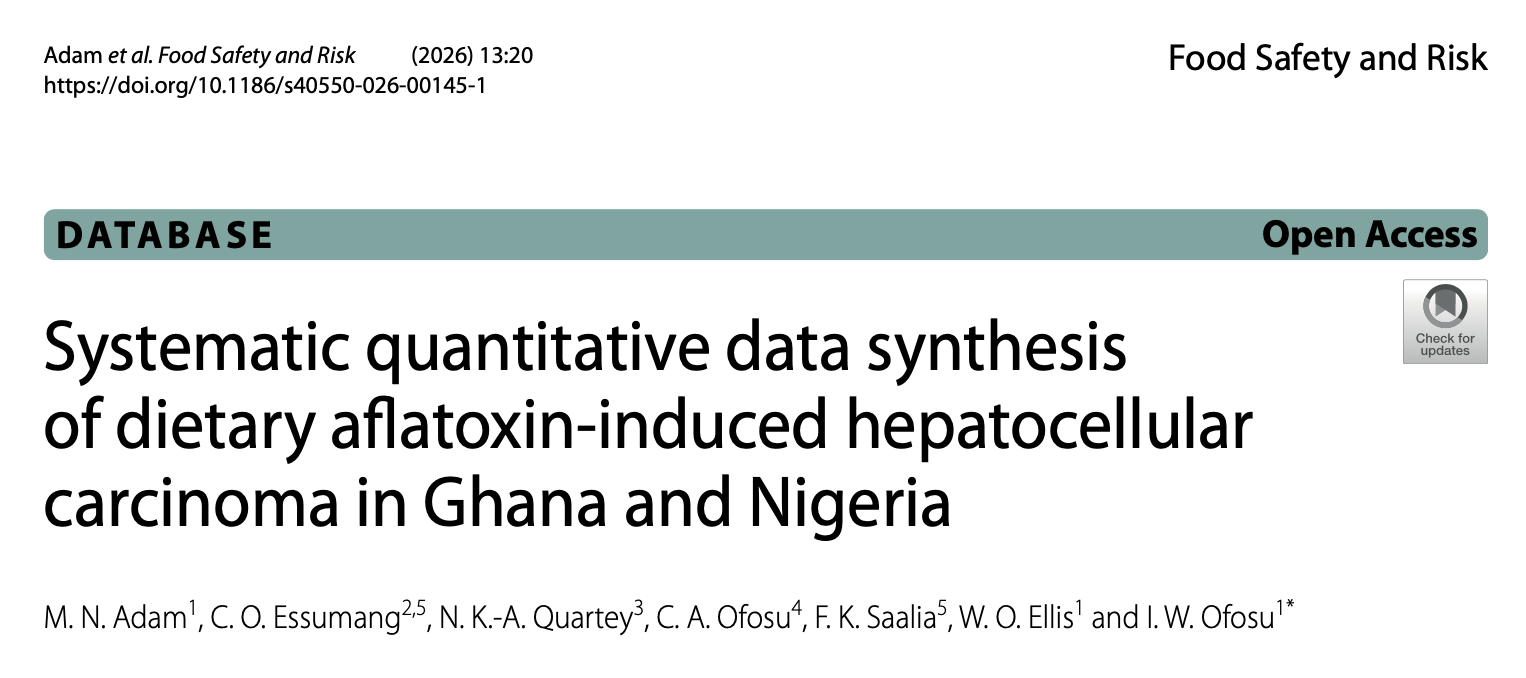
A new study led by Prof. Isaac Williams Ofosu and his research team is shedding light on one of West Africa’s most pressing but often overlooked food safety challenges: the long-term health burden of aflatoxin exposure. Published in the journal Food Safety and Risk, the study provides one of the most comprehensive quantitative assessments to date of aflatoxin-induced liver cancer risks in Ghana and Nigeria.
The research, titled “Systematic Quantitative Data Synthesis of Dietary Aflatoxin-Induced Hepatocellular Carcinoma in Ghana and Nigeria,” brought together expertise from KNUST, the Ghana Standards Authority, and the University of Ghana. Using data synthesized from 65 published studies conducted between 2010 and 2024, the team evaluated the relationship between dietary aflatoxin exposure and hepatocellular carcinoma (HCC), one of the deadliest forms of liver cancer.
Aflatoxins are toxic compounds produced by certain fungi that commonly contaminate staple foods such as maize, groundnuts, sorghum, and rice under warm and humid storage conditions. According to the study, these toxins remain a major public health challenge in West Africa, where climatic conditions and postharvest handling practices often favor fungal growth and toxin accumulation.
What makes this study particularly significant is its use of advanced probabilistic risk modeling through the Integrated Hazard and Health Impact Assessment Model (IHHIAM). By combining aflatoxin occurrence data with dietary consumption patterns, body weight information, and cancer risk parameters, the researchers were able to estimate the years of life lost (YLL), years lived with disability (YLD), and disability-adjusted life years (DALYs) associated with aflatoxin exposure.
The findings revealed striking differences between Ghana and Nigeria. While both countries face substantial exposure risks through staple foods such as cereals and roots, the modeled burden of aflatoxin-attributable liver cancer was significantly higher in Nigeria. The study estimated median five-year DALY rates of approximately 503.67 per 100,000 persons in Ghana compared to 4,382 per 100,000 persons in Nigeria.
The study also identified maize and groundnuts as the dominant dietary pathways for aflatoxin exposure in both countries. In addition, the researchers highlighted the synergistic relationship between aflatoxin exposure and chronic hepatitis B infection, which substantially increases the risk of liver cancer in affected populations.
Beyond its scientific contributions, the research has important implications for public health policy and food safety regulation across Africa. The authors emphasize the need for strengthened surveillance systems, improved postharvest storage technologies, stricter enforcement of food safety standards, and expanded public health interventions such as hepatitis B vaccination and aflatoxin mitigation programs.
The work further demonstrates the growing impact of interdisciplinary research within the Department of Food Science and Technology at KNUST, where food chemistry, toxicology, public health, and data science are increasingly converging to address critical societal challenges. Through studies such as this, Prof. Ofosu and his team continue to advance evidence-based approaches to improving food safety and protecting public health across the region.
The publication is available open access here: https://doi.org/10.1186/s40550-026-00145-1
Research Articles
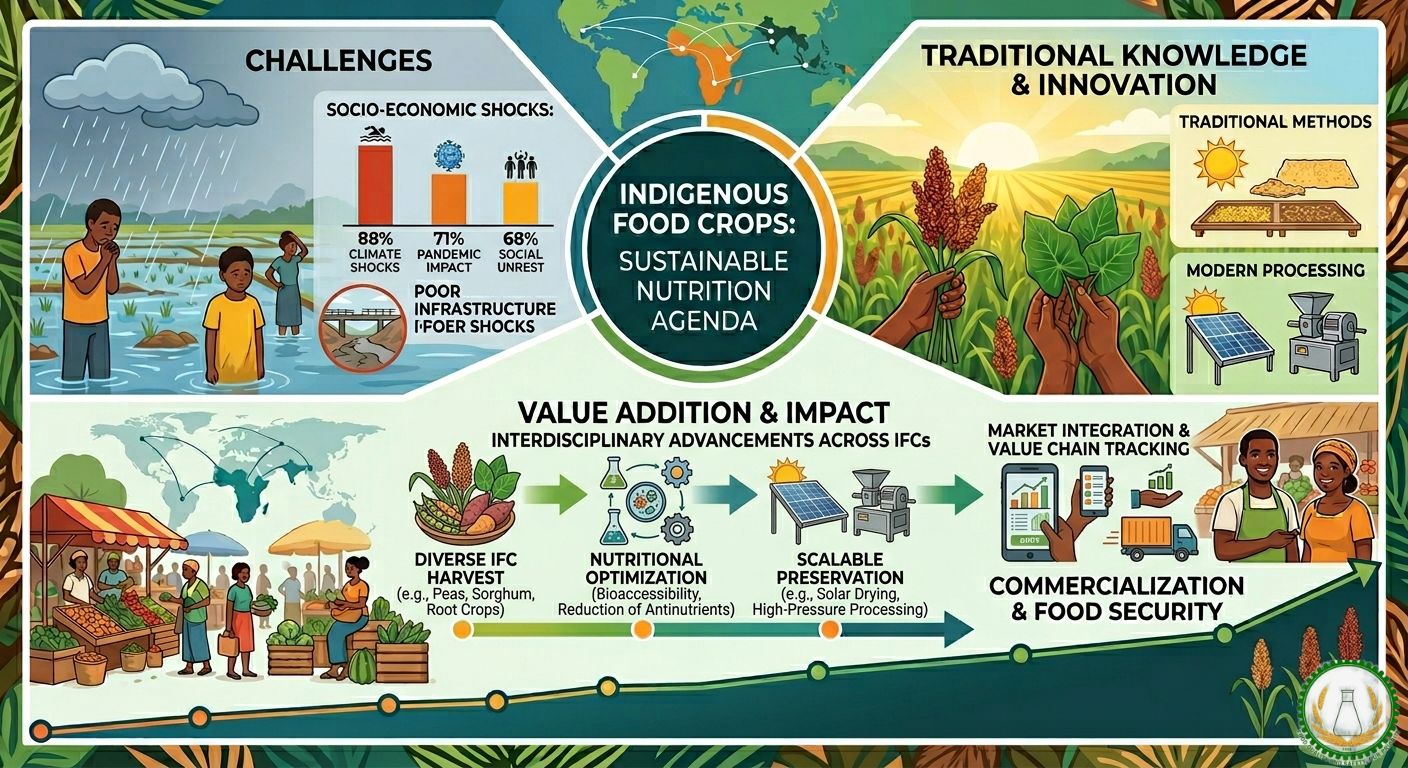
We are proud to highlight a significant new editorial published in Frontiers in Sustainable Food
The Department of Food Science and Technology is proud to highlight the international recognition received by its Head of Department, Prof.
A new study led by Prof.
What if one of the most critical ingredients in chocolate could be replaced not with something more complex or imported, but with something grown locally?