Could Ghana’s Forgotten Foods Help Fight Hunger? KNUST Researchers Look to Saboba for Answers
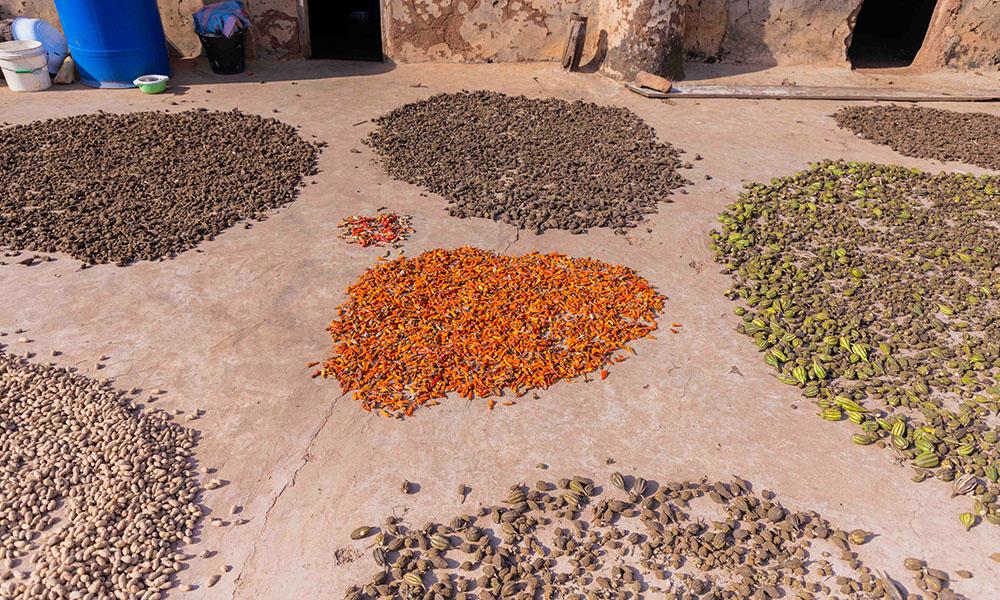
In northern Ghana, a KNUST researcher is exploring how familiar local foods could help families eat better and cope with seasonal food shortages.
For many families in Saboba, northern Ghana, the food they grow does not last until the next harvest. A new study by the Kwame Nkrumah University of Science and Technology (KNUST) found that household food production lasts an average of just 7.6 months, leaving families facing roughly four months of food shortages.
Yet the district is home to a remarkable variety of indigenous crops and traditional dishes. Could some of the answers to its nutrition challenges already be growing in local fields and simmering in family cooking pots?
That is what Dr Abena Boakye of KNUST's Department of Food Science and Technology set out to investigate.
Working across six communities, her research team documented more than 50 indigenous crops and 20 traditional soups and sauces. Despite this diversity, more than 13 percent of households surveyed reported struggling to meet their daily food needs for at least eight days during the survey month.

Giving Traditional Foods New Potential
Rather than introducing unfamiliar foods, the researchers turned to meals families already know and enjoy.
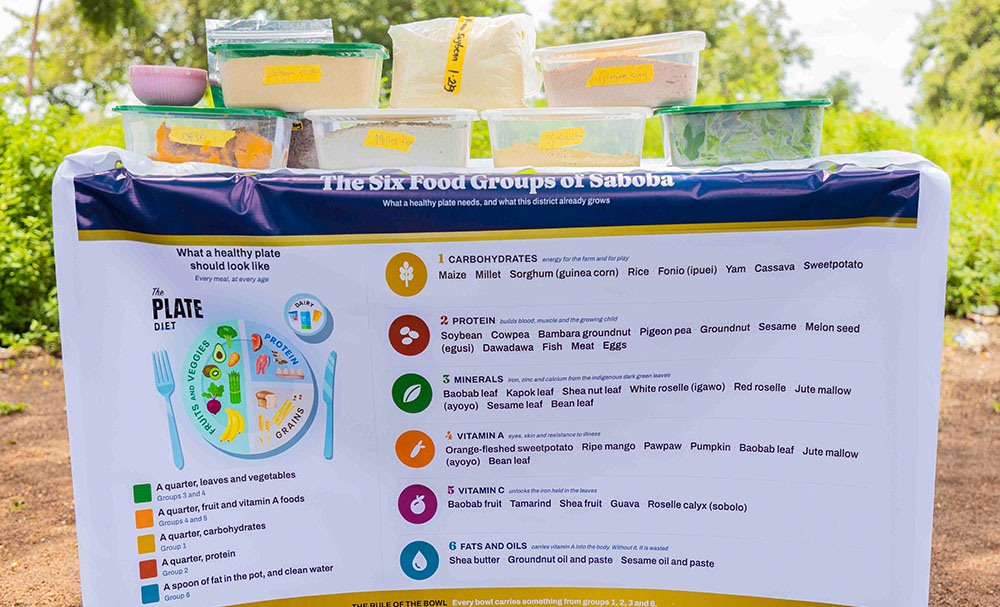
They standardised five traditional soups, including Jejep, made from sesame; Igwok, prepared with sesame and roselle leaves; and Litokal, a baobab leaf soup. By establishing consistent ingredient quantities, cooking methods and portion sizes, the team sought to preserve traditional recipes while making them easier to reproduce and teach.
The researchers also developed three improved porridges and fritters using locally available ingredients, designed to provide energy, protein, minerals and vitamin A. Importantly, the recipes use familiar household measurements, making them practical for families without kitchen scales.
Bringing Science and Tradition Together
The findings suggest that improving nutrition does not always require introducing new foods. Sometimes, it begins with better understanding what communities already grow, cook and eat.
Supported by an Early Career Fellowship from the Organization for Women in Science for the Developing World (OWSD), the research was hosted by KNUST's Department of Food Science and Technology, with international collaborators and support from local communities in Saboba.
The study highlights how food science can help preserve Ghana's culinary heritage while addressing real challenges in nutrition and food security.
For families in Saboba, the path towards better nutrition may begin with foods they have known for generations.
Adapted from an article originally published by the KNUST University Relations Office on October 23, 2026: “KNUST Study Explores Foodscapes to Tackle Seasonal Hunger and Undernutrition in Saboba.” Read the original report on the KNUST website.