Department of Food Science and Technology hosts a 2-day Hands-On Food Microbiology Practical Training
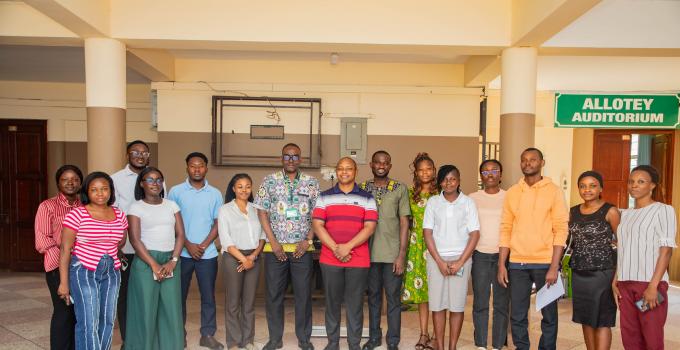
The Department of Food Science and Technology at the Kwame Nkrumah University of Science and Technology (KNUST) in collaboration with the Centre for Capacity Building and Innovation has successfully completed the practical component of its Food Microbiology Practical and Sequence Data Analysis Training, held from Thursday, 1 October to Friday, 2 October 2026. The two-day in-person session formed the first phase of the training programme.
The training brought together participants from various industries as well as postgraduate students of KNUST, providing them with an opportunity to strengthen their practical skills in food microbiological analysis and laboratory quality practices.
Opening the programme, the Head of the Department of Food Science and Technology, Prof. Jacob K. Agbenorhevi, welcomed participants to KNUST and to the Department. He highlighted the Department's commitment to strengthening practical and industry-relevant capacity in food science and technology.
Prof. Francis Alemawor subsequently engaged participants in an interactive session to understand their professional and academic backgrounds, areas of work and expectations for the programme. The engagement helped place the training within the context of participants' respective fields and set the tone for the practical sessions that followed.
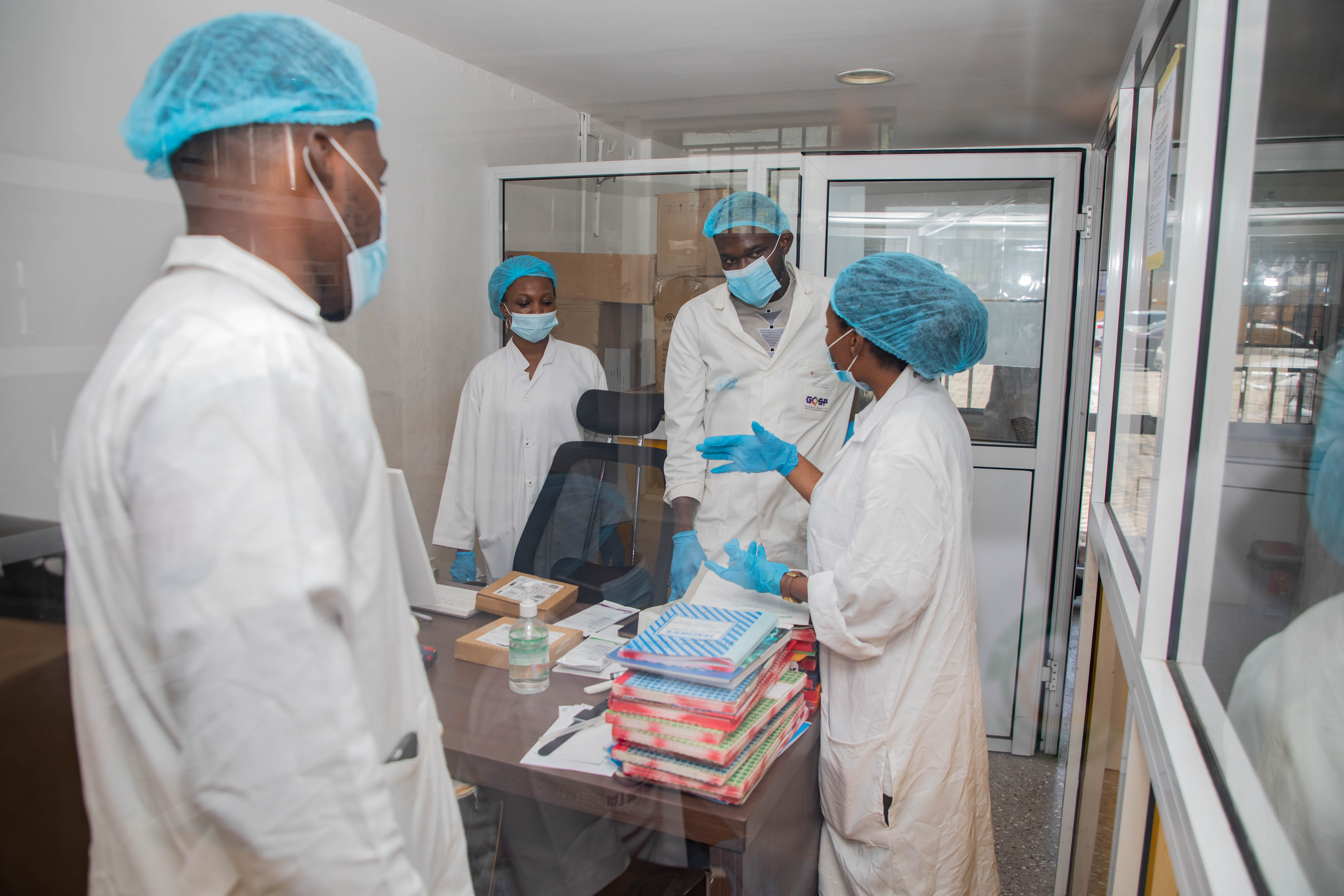
Before entering the laboratory, participants were introduced to essential principles of laboratory safety and Good Laboratory Practices (GLP). Particular attention was given to fundamental skills such as proper pipetting techniques, aseptic handling and contamination prevention, which are essential for generating reliable microbiological results.
Participants were then ushered into the Food Microbiology and Fermentation Laboratory, where the practical sessions were led by Mr. Yaw Agyei Gyasi, with support from Mr. Stephen Adu, Ms. Elizabeth Nana Adwoa Acquah and Ms. Foster Tengapoe.
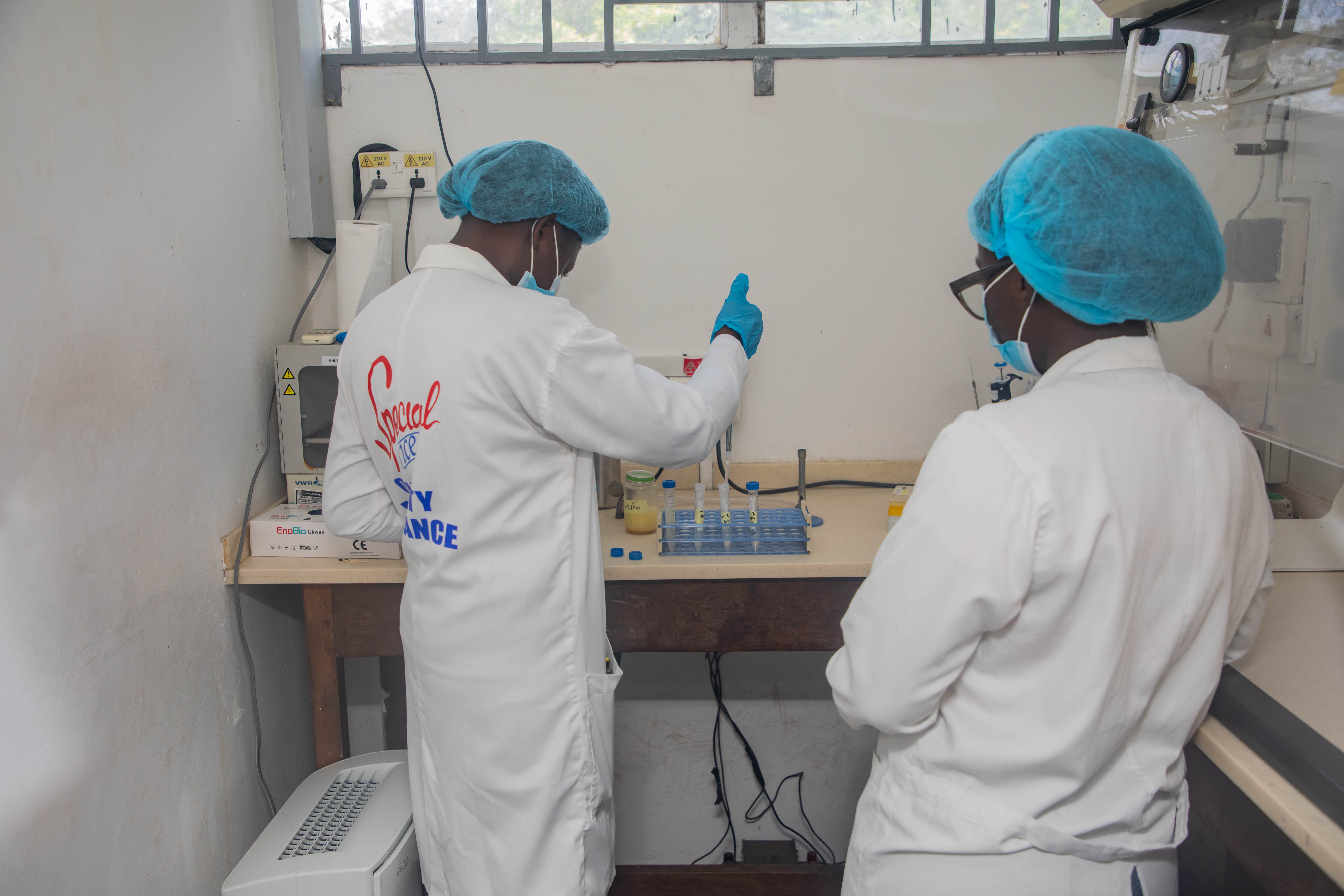
The practical training exposed participants to both conventional and rapid approaches to food microbiological examination. Participants received hands-on training in the preparation and use of microbiological media, sample dilution, plating, incubation, microbial enumeration, interpretation of microbial growth and relevant confirmatory procedures.
A major highlight of the programme was participants' exposure to Neogen Petrifilm technology as a rapid and alternative approach to conventional microbiological testing.
The demonstration was made possible with the support of JaaGee West Africa, which generously provided Neogen Petrifilm products for use during the training. Participants were therefore able to compare conventional culture-based approaches with more rapid microbiological testing technologies and appreciate their potential application within food industry quality control and microbiology laboratories.
This complemented the programme's broader objective of exposing participants not only to traditional plating and enumeration techniques but also to rapid and alternative microbiological technologies relevant to industry.
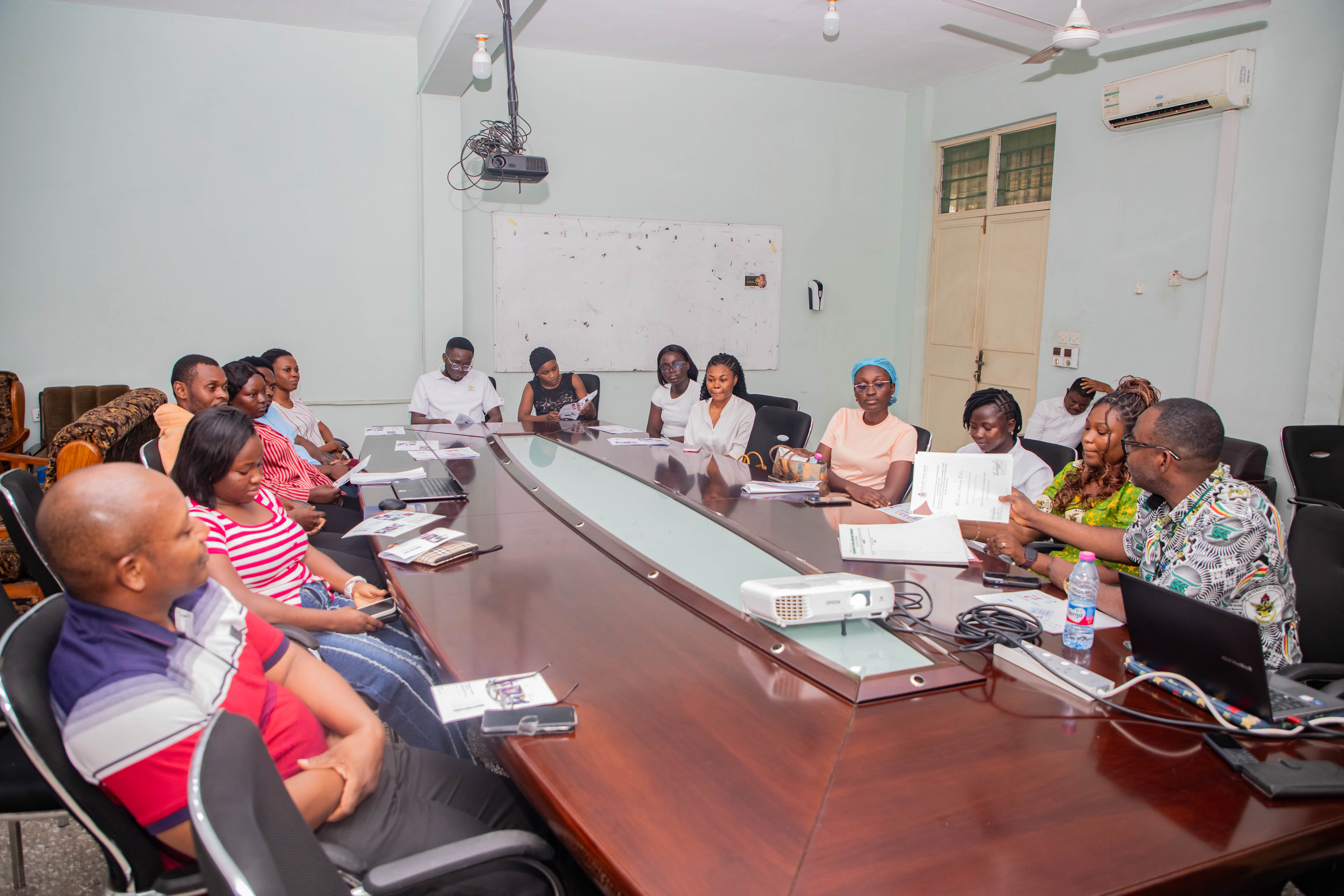
The two-day practical session concluded at approximately 3:00 p.m. on Friday, 2 October 2026, with the presentation of certificates to participants.
During the closing session, Prof. Jacob K. Agbenorhevi expressed the Department's appreciation to JaaGee West Africa for its contribution towards the successful delivery of the practical training. He also acknowledged the facilitators, laboratory support team and participants for their commitment to the success of the training.
The successful completion of the practical component reflects the Department's continuing efforts to bridge academic training and industry practice by providing opportunities for students and professionals to develop hands-on competencies relevant to food quality, safety and microbiological analysis.
The programme, however, does not end with the laboratory sessions. The second phase of the Food Microbiology Practical and Sequence Data Analysis Training will continue online on 10–11 October 2026, focusing on microbiological data analysis, sequence data analysis and basic bioinformatics.