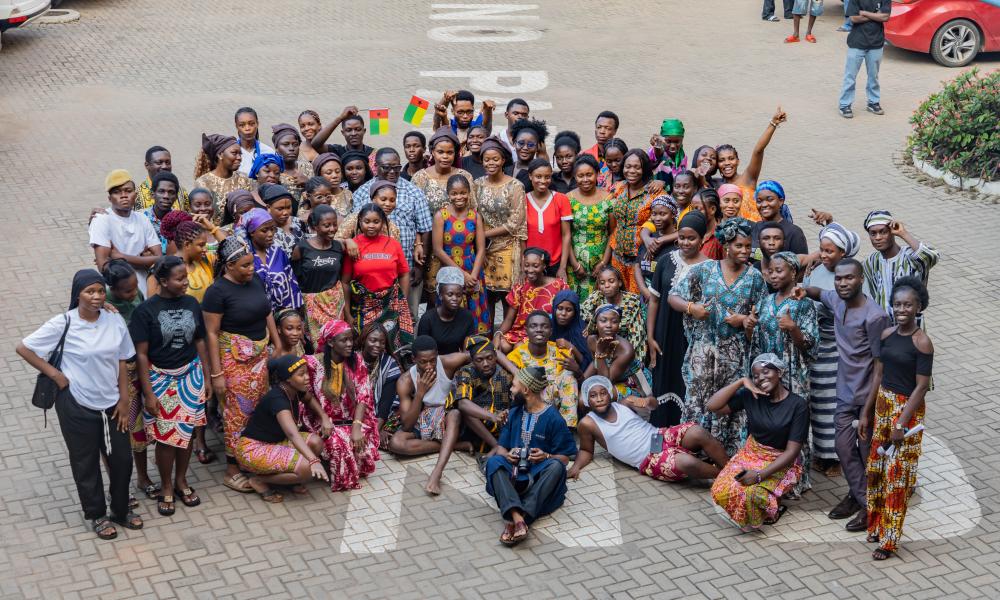
Every Meal Tells a Story: Traditional Foods and Nutrition Class Hosts West African Food Exhibition
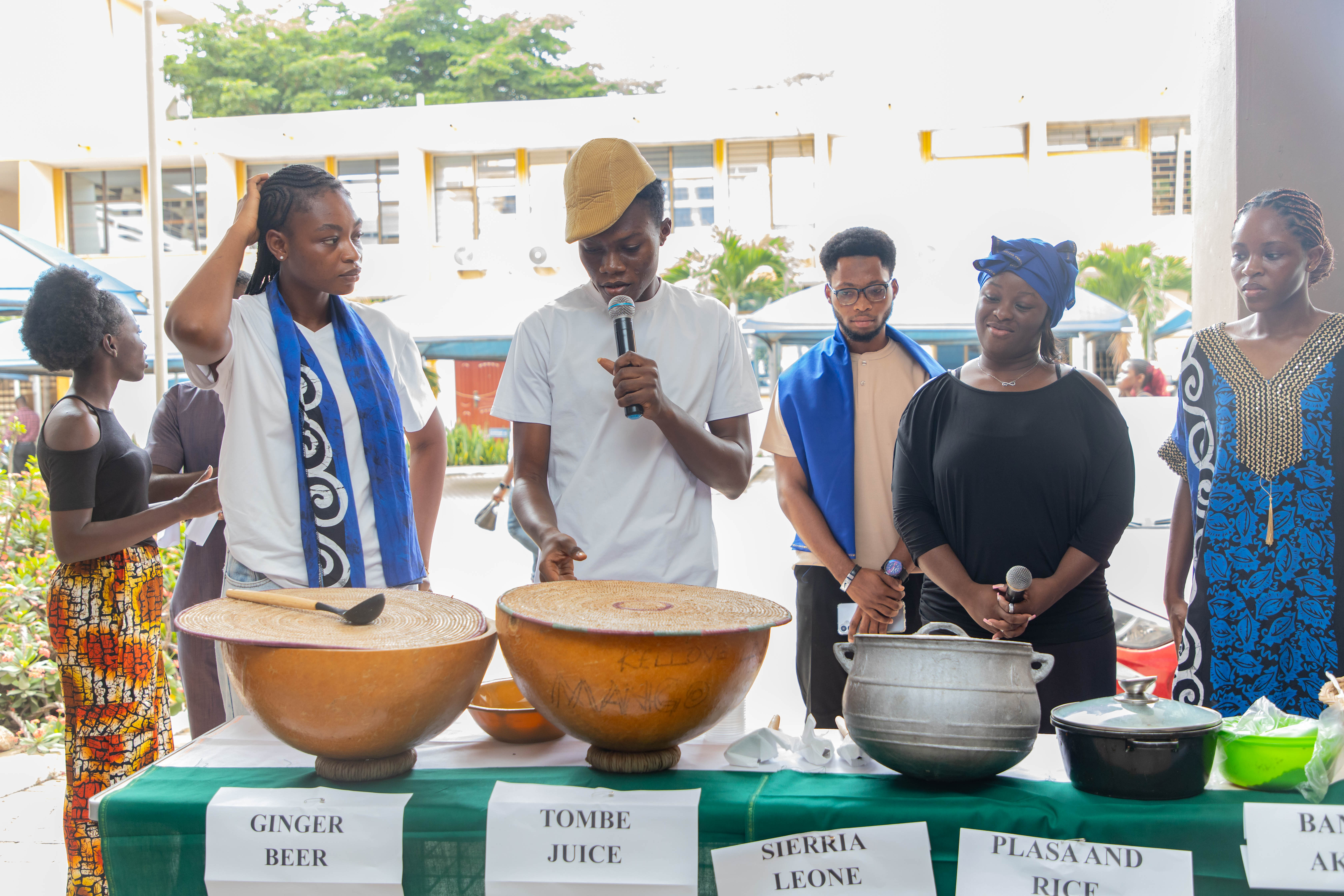
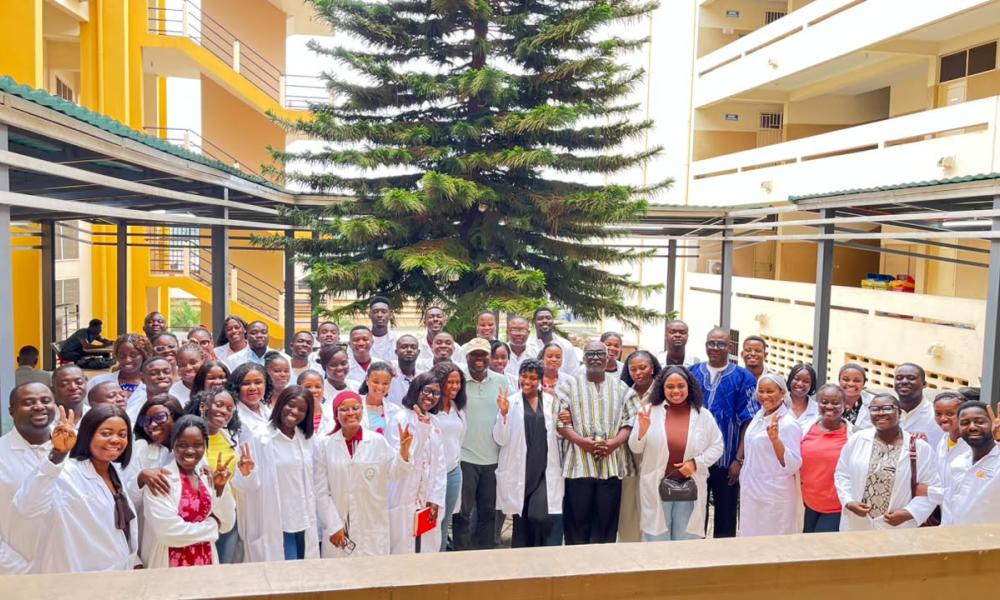
On 14th August 2026, the foyer of the Allotey Auditorium came alive with the colors, aromas, and rhythms of West Africa as the Traditional Foods and Nutrition class staged an exhibition celebrating West Africa’s rich culinary heritage. The event drew students and faculty members of the Department of Food Science and Technology, who gathered to explore not just what West Africans eat, but why and how these dishes have endured across generations.
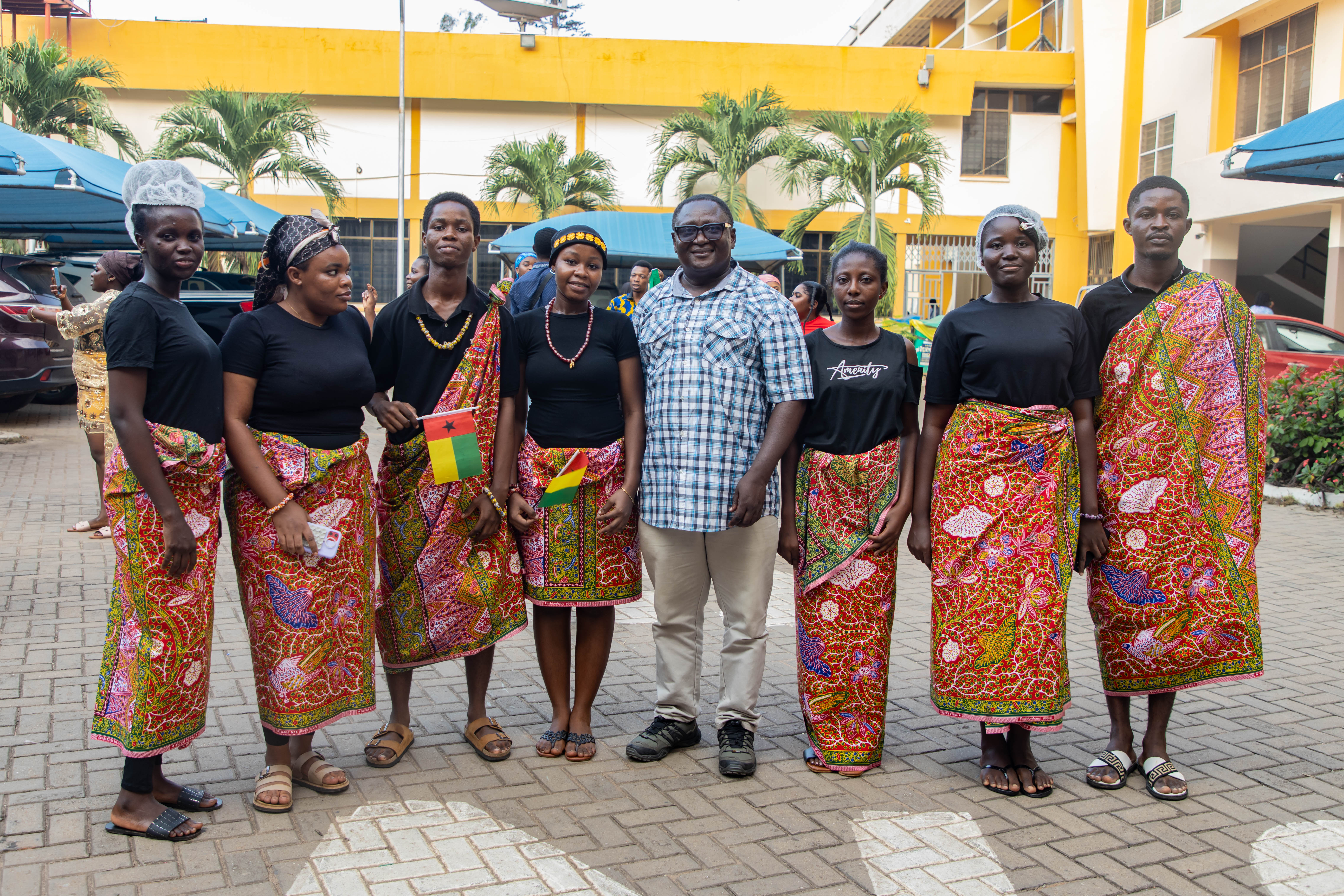
Organized as part of coursework for the Traditional Foods and Nutrition class, the exhibition brought together several student groups, each assigned to research, prepare, and present dishes from different West African countries, among them Mali, Guinea Bissau, Senegal, Burkina Faso, Benin, Nigeria, Liberia, and Togo.
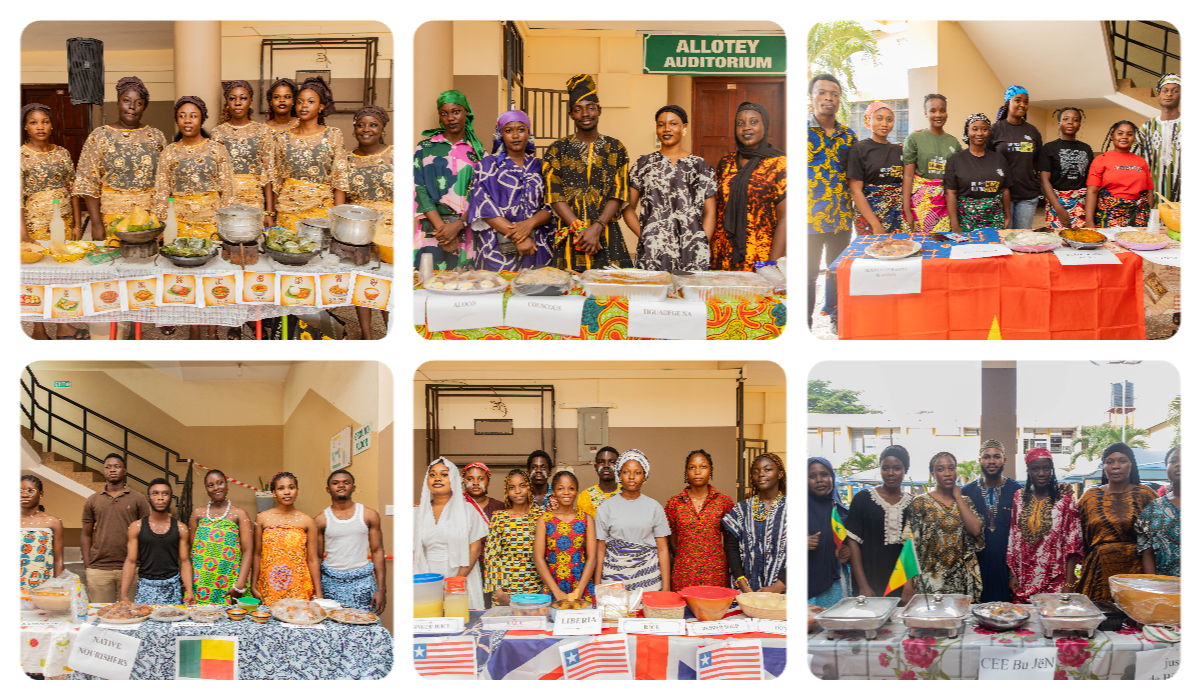
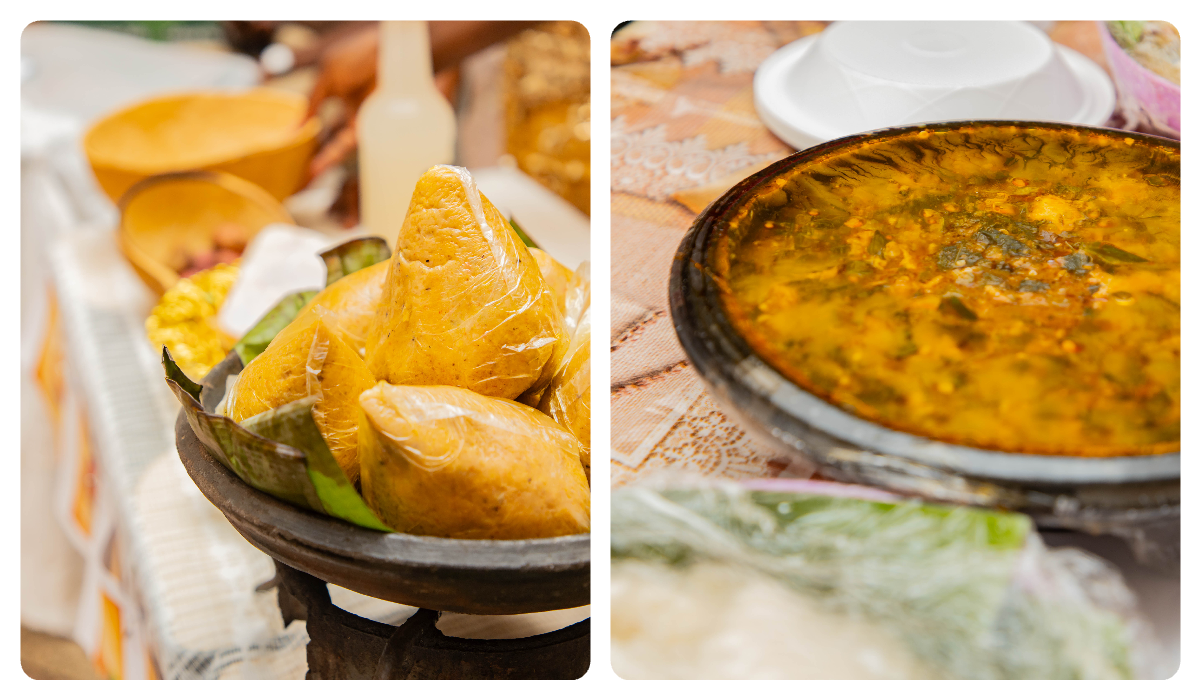
Tables around the foyer showcased an impressive spread, including couscous, Senegalese mafé, calco de mancara, amiwo, kulikuli, zomkom, aliha, amala, and riz gras, among other dishes each one accompanied by an explanation of its origins and significance within its home country.
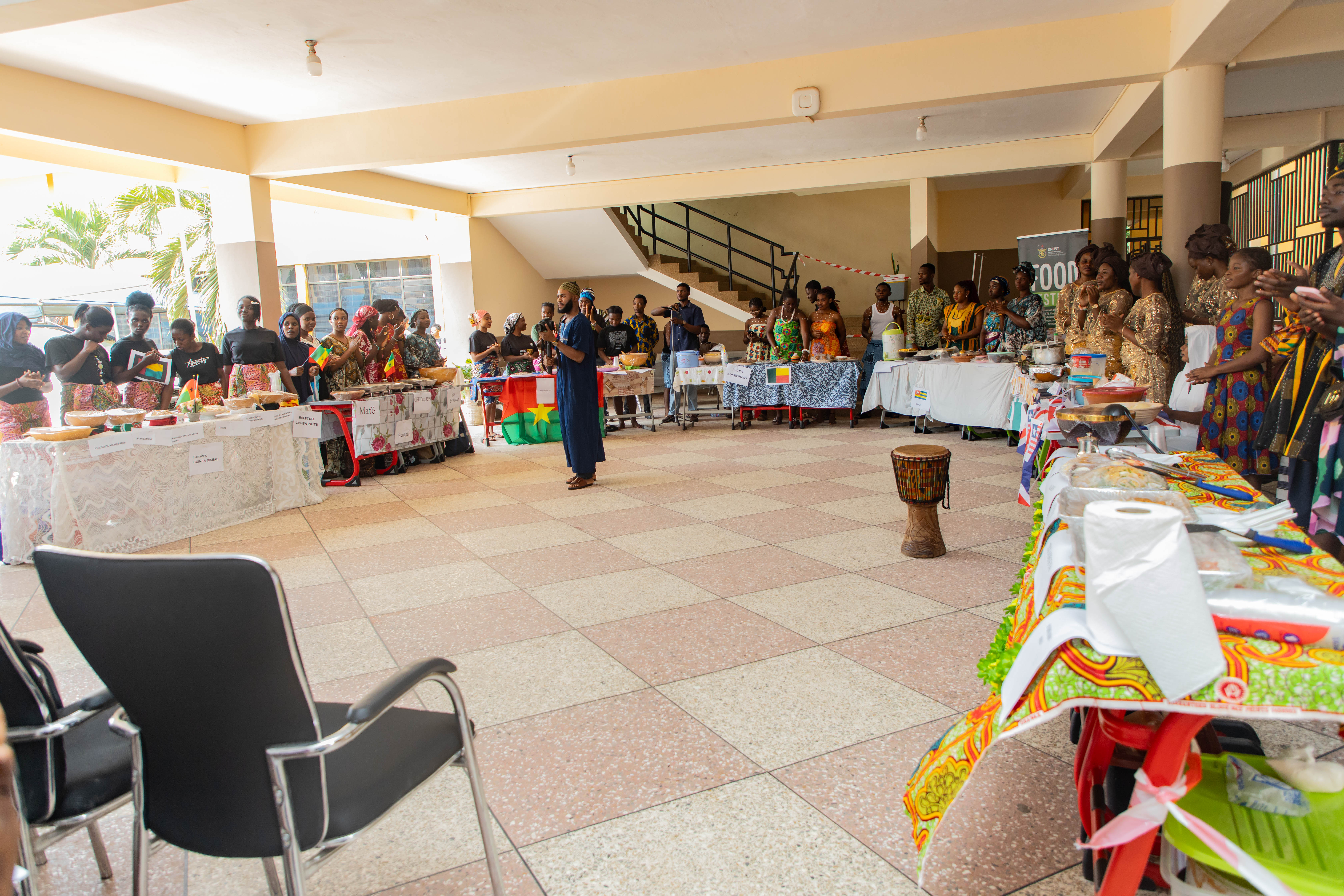
What set the exhibition apart was its refusal to treat food as mere sustenance. Each group paired their dishes with drama, choreography, and poetry that traced the cultural and historical roots of what was on display turning the foyer into a stage where history, culture, and science shared the spotlight alongside the food itself.
As one group put it in a line that captured the spirit of the day: "Every meal tells a story, and every story begins with a meal."
True to the department's scientific mandate, students went beyond folklore to unpack the food science behind their dishes. One group explained how the Maillard reaction the chemical process responsible for the browning and rich flavor development in fried foods plays out in some of West Africa's most beloved fried delicacies. They also turned to bissap, a popular hibiscus drink, to explain the role of anthocyanins, the plant pigments responsible for its deep red color and antioxidant properties.
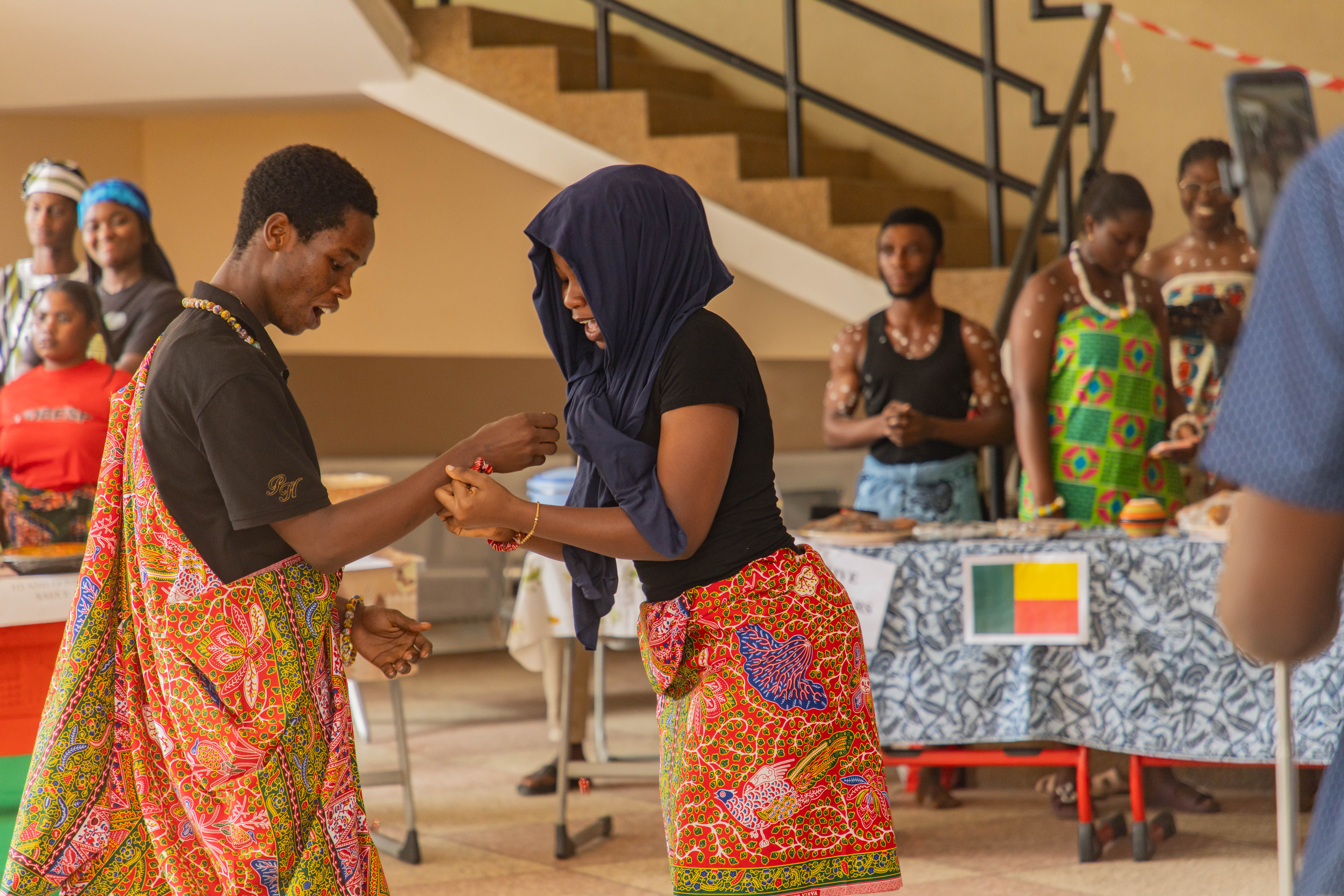
The exhibition stood as a vivid demonstration of what the Traditional Foods and Nutrition course sets out to teach that food is a lens through which culture, history, and science can all be studied together. Through demonstration, performance, and hands-on learning, students of the Department of Food Science and Technology brought that lesson to life, leaving attendees with a richer understanding of the meals that shape West African identity.